
Benjamin Netanyahu Seeks Pardon from Israel's President
Benjamin Netanyahu's request for a pardon from Israel's president marks a significant political turning point, impacting his future and the broader landscape of Israeli politics.
NEWS
digifusion
12/1/20258 min read
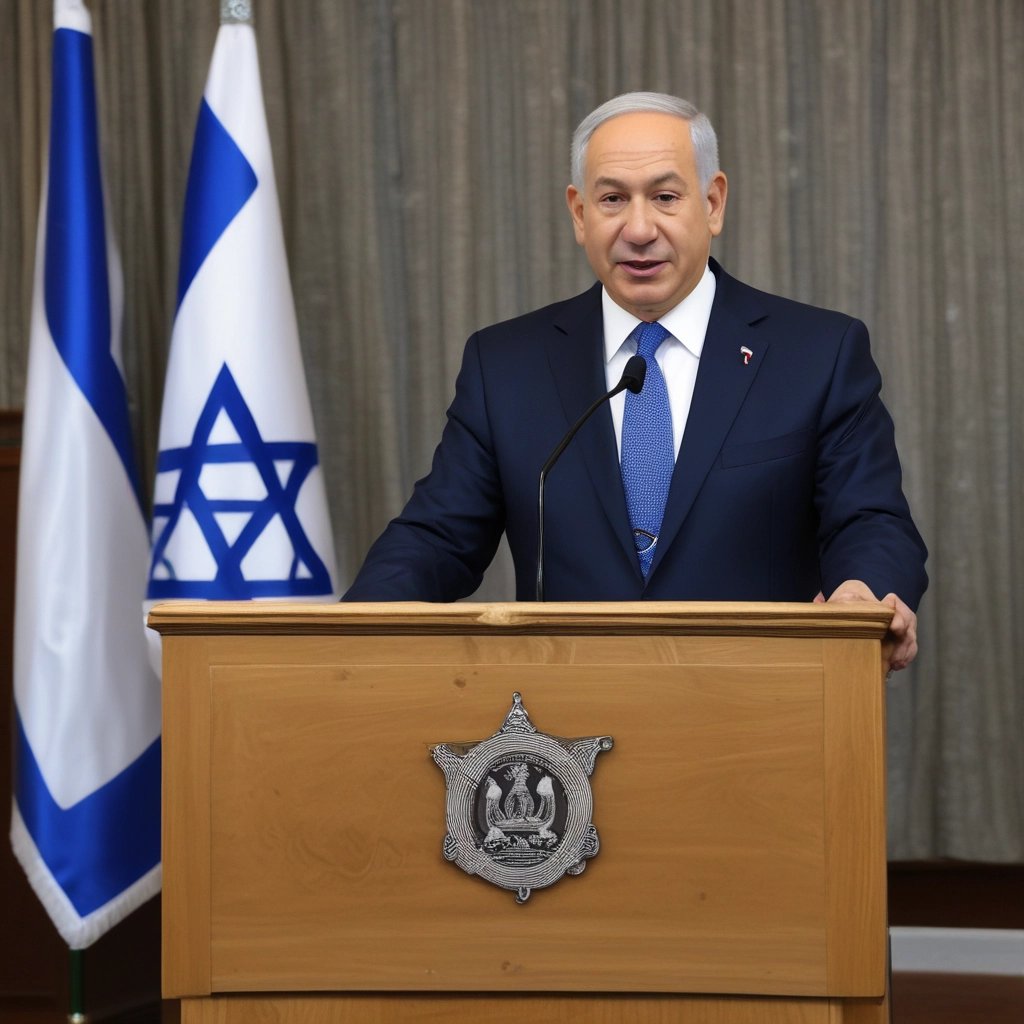

Introduction to the Current Political Climate in Israel
The political landscape in Israel has been marked by significant upheaval and evolving dynamics in recent years. Following a series of elections that seem to reflect a nation divided, the government has grappled with various challenges, including security concerns, economic pressures, and complex diplomatic relations. One of the most prominent figures in this era has been Benjamin Netanyahu, who, despite his long-standing leadership, has faced mounting scrutiny and criticism. His administration's stance on key issues such as the Israeli-Palestinian conflict and internal governance has led to polarized public opinion.
In recent months, Netanyahu has navigated a series of controversies that have further complicated his political standing. Issues such as judicial reforms aimed at limiting the powers of the Supreme Court and the handling of protests against these changes have ignited debates within Israeli society. The opposition has capitalized on growing discontent, seeking to position themselves as an alternative to Netanyahu's leadership, thereby amplifying calls for political change. This turbulent atmosphere sets the backdrop for Netanyahu's recent decision to seek a pardon from the President of Israel, a move that many interpret as an indication of his precarious position.
The public sentiment surrounding Netanyahu's administration is a mixture of support from loyalists and growing discontent from detractors. Recent polls suggest a shift in the electorate's perception, with many citizens expressing frustration over perceived governmental failures. The combination of internal party challenges, external pressures, and a significant corruption trial looming over Netanyahu's head exemplifies the precariousness of his political situation. As he seeks a pardon, it becomes crucial to recognize the broader implications of these events for the future of Israeli politics and society.
Background of Benjamin Netanyahu's Legal Troubles
Benjamin Netanyahu, Israel's longest-serving prime minister, has faced a series of legal challenges that have significantly impacted his political career and public standing. The issues originated in 2016 when allegations of corruption first surfaced. Following a lengthy investigation, the Attorney General of Israel announced in February 2020 that Netanyahu would be indicted on multiple charges, including bribery, fraud, and breach of trust. These charges stemmed from two key cases: Case 1000 and Case 4000.
In Case 1000, Netanyahu was accused of accepting expensive gifts from wealthy businessmen in exchange for favorable political decisions. The sum of these gifts allegedly amounted to hundreds of thousands of shekels. Meanwhile, Case 4000 involved accusations that Netanyahu had purportedly granted regulatory favors to the Bezeq telecommunications company in return for positive media coverage. This relationship was said to have ensured that Netanyahu received favorable narratives from a significant media outlet owned by Bezeq's controlling shareholder.
The timeline of these legal troubles has been protracted, with the initial investigations taking several years and the indictment occurring amid Netanyahu's ongoing political battles. His legal predicaments have influenced his reputation, casting doubts on his integrity and leadership capabilities. Throughout this period, Netanyahu has consistently denied the allegations, describing the charges as politically motivated attempts to undermine his authority. Nevertheless, despite winning the 2022 elections, the cloud of his legal battles has lingered over his administration, affecting public trust and complicating coalition politics.
The ongoing legal proceedings, including court dates and appeals, continue to be focal points in Israeli society, provoking public discourse on corruption, governance, and accountability. As Netanyahu navigates these turbulent waters, the implications for his career and the broader political landscape remain to be seen.
The Significance of the Presidential Pardon in Israeli Politics
The request for a presidential pardon by Israeli Prime Minister Benjamin Netanyahu represents a pivotal moment in both his political career and the broader landscape of Israeli politics. A presidential pardon is not merely a personal legal remedy; it has far-reaching implications that can reshape the political dynamics within the country. The context surrounding Netanyahu’s request indicates a potential shift in the electorate's perception and the ruling political framework, particularly in light of ongoing legal challenges he faces.
Netanyahu's actions underscore the intersection of governance and judicial processes in Israel. By seeking a pardon, he not only attempts to navigate his legal troubles but also positions himself strategically within his party and amongst his supporters. This move may serve to galvanize his base, portraying him as a victim of political persecution, which can resonate with constituents who share similar sentiments about the judicial system. Consequently, this could bolster his standing within the Likud party and consolidate his leadership, impacting the party's strategies moving forward.
Furthermore, the broader implications of a presidential pardon extend into the Israeli political system, potentially influencing coalition dynamics and the balance of power among rival parties. Should Netanyahu achieve a pardon, it may embolden him politically, allowing him to pursue more aggressive policies without the specter of ongoing legal issues. This could lead to an era of enhanced partisanship, wherein different factions exploit the pardon’s political weight to either support or undermine his administration. Ultimately, the political consequences of this action could reverberate through future elections, shaping voter behavior and party alignments in Israel for years to come.
Public Reactions to Netanyahu's Pardon Request
Benjamin Netanyahu’s request for a presidential pardon has ignited a diverse array of public reactions throughout Israel, reflecting a spectrum of opinions shaped by political beliefs, societal values, and media portrayal. Among his supporters, chiefly from the right-wing factions, the appeal for a pardon resonates as a necessary course of action to mitigate what they perceive as judicial overreach and political persecution. Many of these individuals articulate a strong sentiment that Netanyahu’s battles with the justice system reflect broader systemic issues that undermine democratic principles in Israel.
Conversely, opposition groups, particularly those from the left and centrist factions, view Netanyahu’s pardon request as an admission of guilt regarding the corruption charges he faced. To these critics, a pardon would not only be unjust but would also signal an erosion of accountability and integrity within Israel's leadership. Public protests have emerged from these demographics, demonstrating a vocal discontent and advocacy for upholding the rule of law.
The role of media in shaping public perception around Netanyahu’s pardon request cannot be overlooked. Various media outlets have portrayed the issue through differing lenses, bolstering the opposing narratives. For instance, more conservative platforms often emphasize themes of injustice and political bias against Netanyahu, potentially galvanizing his supporters. In contrast, liberal media tends to frame the request as a tactic to escape legal consequences, which reinforces skepticism among critics.
Social media has also become a battleground where opinions are aired, manipulated, and debated in real-time. Hashtags related to Netanyahu’s situation often trend, reflecting intense emotional responses and organizing grassroots movements both in support of and against the pardon request. This interaction reveals how the political landscape in Israel is not only driven by traditional media narratives but also significantly influenced by the fast-paced nature of online discourse.
Comparative Analysis: Pardons in Israeli History
Presidential pardons in Israel have played a significant role in shaping the political landscape, indicating the complex interplay between justice, power, and accountability. Historically, these pardons have been employed selectively, often during pivotal moments in Israeli history. A notable case occurred in 1992 when then-President Chaim Herzog granted a pardon to former Prime Minister Yitzhak Shamir for offenses committed during his earlier political career. This act was seen as a means to promote national unity and healing post-conflict.
Another instance arose in 2004 when President Moshe Katsav pardoned several individuals convicted of corruption, a decision that ignited heated debate. Katsav himself would later become embroiled in legal scandals, leading to his resignation and eventual conviction, illustrating the unpredictable consequences of pardons. The rationale behind such acts often involves political calculations rather than purely Acts of mercy, creating perceptions of favoritism or injustice among the public.
More recently, in 2017, President Reuven Rivlin declined to pardon a soldier convicted of manslaughter for killing a disarmed Palestinian attacker. This decision underscored a growing sensitivity towards issues of morality and ethics within the security forces and highlighted the challenges faced by leaders in balancing legal imperatives with public sentiment. The refusal sent a message about accountability that resonated within the Israeli society, emphasizing the weight of justice in matters of national importance.
Comparing these examples to Benjamin Netanyahu's current request for a pardon reveals both similarities and stark differences. As a prominent political figure facing legal challenges, Netanyahu's case entails unique implications for the legitimacy of the judicial system and the precedent set by previous pardons. Such instances suggest that while pardons can facilitate reconciliation and governance, they may also have far-reaching consequences for public trust and the rule of law in Israel.
Expert Opinions on the Fallout of the Pardon Request
The recent request for a pardon by Benjamin Netanyahu from Israel's President has elicited a spectrum of responses from political analysts, legal experts, and historians. This maneuver is not only a significant personal turning point for Netanyahu but also a critical juncture for the fabric of Israeli democracy. According to political analysts, this request represents a strategic attempt to navigate the legal challenges that Netanyahu faces while still maintaining a foothold in Israeli politics. Some view it as an effort to secure his legacy, while others question the motivations behind it, suggesting that it may signify a desperation born from mounting legal pressures.
Legal experts provide a more nuanced perspective, emphasizing the implications that Netanyahu's pardon request holds for judicial independence in Israel. The legal system has long been a cornerstone of democratic governance; however, intertwining the executive, in this case the presidency, with a judicial matter such as a pardon raises concerns. They argue that this act could set a precedent, potentially undermining accountability and the rule of law. In their view, the request signifies an erosion of democratic principles if it dilutes the established mechanisms that ensure officials are held accountable for their actions.
Historians also weigh in, framing Netanyahu's situation within the broader historical context of Israeli leadership. They note that calls for pardons have occurred throughout history, often signifying complex relationships between power and governance. This situation echoes past instances where leaders sought pardons during turbulent times, provoking debates on morality, justice, and the prioritization of individual versus collective needs. Such historical parallels offer valuable insights into the consequences of this request, suggesting that the fallout could reverberate through Israeli society for years to come.
Future Predictions: Netanyahu's Path Forward
As Benjamin Netanyahu seeks a pardon from Israel’s president, the implications of this request are significant not only for his political future but also for the broader Israeli landscape. Should the pardon be granted, it could potentially pave the way for Netanyahu to return to the forefront of Israeli politics, reinvigorating his leadership and political agenda. Given his longstanding influence within the Likud party and the broader right-wing coalition, a successful pardon could solidify his status and enable him to navigate through recent challenges.
However, the outcome of this request remains uncertain, and several factors could shape Netanyahu's trajectory moving forward. If the pardon is denied, this could lead to a period of political instability, requiring Netanyahu to recalibrate his strategy considerably. He may explore various alliances or shifts in policy direction to maintain his base’s support while addressing legal challenges that may persist. The growing scrutiny of corruption allegations could also prompt him to champion reformative policies to resonate with a broader audience, a move aimed at mitigating the negative perceptions surrounding his leadership.
The shifting political trends in Israel present another dimension to Netanyahu's path. With increasing calls from various factions for governmental accountability and transparency, Netanyahu may be compelled to adopt a more conciliatory approach to governance. This could involve seeking cross-party collaborations to foster stability within the Knesset. In light of the geopolitical landscape, which is highly dynamic, his ability to navigate internal political challenges while addressing external pressures, such as security concerns and diplomatic relations, will be crucial.
Ultimately, Netanyahu's next steps will be dictated by the interplay of legal outcomes, party dynamics, and public sentiment. As Israel continues to evolve politically, Netanyahu’s response to these challenges will define not only his political survival but also the overall governance and stability of the region in the coming years.