
Bulgarian PM Rosen Zhelyazkov Resigns Amid Crisis
Amid intense public pressure over rampant corruption and the controversial 2026 budget, Bulgarian Prime Minister Rosen Zhelyazkov has stepped down. Explore the political crisis and the implications of a looming snap election.
NEWSPOLITICS
digifusion
12/16/20254 min read
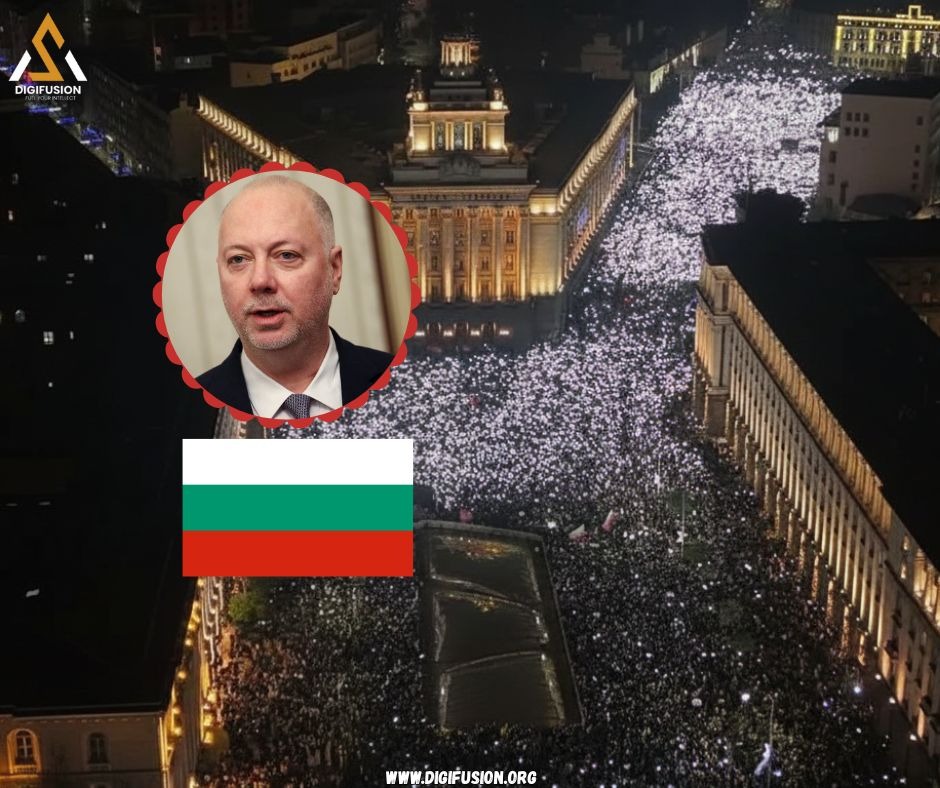
Background of the Protests
The protests in Bulgaria, culminating in the resignation of Prime Minister Rosen Zhelyazkov, can be traced back to a series of historical events that have generated widespread public dissatisfaction regarding government corruption. For years, citizens of Bulgaria have expressed their concerns about systemic corruption, which has hindered the country’s development and fostered economic disparities. High-profile scandals involving politicians and state officials have revealed instances of misappropriation of public funds, favoritism in public contracts, and a general lack of accountability within government institutions.
One pivotal incident that stoked the flames of public discontent was the revelation of widespread electoral fraud during local elections, which called into question the legitimacy of the governing bodies. Such occurrences have not only eroded trust in political leadership but have also prompted citizens to call for immediate reforms in governance. The economic struggles faced by ordinary Bulgarians, including rising unemployment rates and stagnating wages, further fueled the protests. Many citizens believe that the government’s failure to address these issues reflects a broader pattern of neglect and exploitation, primarily benefiting a select elite while disregarding the needs of the populace.
The grievances of the protesters have included demands for greater transparency in governance, the establishment of independent judicial processes, and the assurance that public resources are utilized for the benefit of all citizens rather than a privileged few. The protests have gained momentum as citizens rallied in solidarity over shared frustrations about the lack of meaningful change in the political landscape. As the unrest grew, it became increasingly clear that the protests were not merely a reaction to isolated incidents but rather an expression of a deeper discontent with the pervasive culture of corruption and a call for profound political reform.
The Resignation of Prime Minister Rosen Zhelyazkov
Rosen Zhelyazkov, the Prime Minister of Bulgaria, announced his resignation in a decisive move that followed weeks of mounting public unrest and widespread protests against government corruption. The protests, which began as a response to allegations of corrupt practices within his administration, reflected deep-seated frustrations among the citizenry. The Prime Minister's decision to resign marked a pivotal moment in Bulgaria's political landscape, indicative of a substantial strain between the government and the public.
Zhelyazkov's leadership style has often been characterized by a careful balancing act between maintaining authority and addressing public grievances. In his addressing of the nation, he acknowledged the frustrations expressed by protesters, framing the unrest as a significant concern for the overall stability of the country. His cabinet also made public statements indicating that the decision to step down was not merely a reaction to immediate pressure but a recognition of the need for a government that the citizens can trust.
The implications of Zhelyazkov's resignation extend beyond the immediate political environment. With an increasingly distrustful electorate, political analysts suggest that this departure may open the door for new leadership that could more effectively address issues of governance and corruption. His cabinet's collective resignation reflects a broader acknowledgment that the existing political framework may require substantial reform to restore public confidence. Additionally, this resignation may catalyze a significant shift within the parliament, as new elections or a reshuffling of political alliances could ensue in the wake of this upheaval.
Ultimately, the resignation of Rosen Zhelyazkov serves as a critical commentary on the state of governance in Bulgaria. It highlights not only the pressing need for accountability and transparency but also signals a potential turning point in the relationship between the government and its constituents.
The Aftermath: Reactions and Future Implications
The resignation of Prime Minister Rosen Zhelyazkov has elicited a variety of responses from stakeholders across Bulgaria. Citizens took to the streets to express their opinions, with many praising the decision as a necessary step towards addressing rampant government corruption. Supporters of Zhelyazkov's resignation believe it symbolizes a break from the entrenched corrupt practices that have plagued Bulgarian politics for years. They hope that this resignation may catalyze a broader political reform, leading to a more transparent and accountable government.
Conversely, there are segments of the public that express skepticism regarding the efficacy of this move. Critics argue that the resignation may be a mere band-aid solution, insufficient to address the systemic issues within the government. Some citizens are concerned that without significant reforms and transparency, the cycle of political patronage and corruption may continue, regardless of the leadership changes. Such divergent views reflect the deep divisions within Bulgarian society regarding the direction of governance and accountability.
International observers have expressed concern over the potential instability in Bulgaria's political future. While some see this moment as an opportunity for positive change, others worry about the ramifications of new elections and the risk of further division within the electorate. As Bulgaria grapples with these immediate reactions, the long-term implications of the resignation may serve as a pivotal moment in its ongoing struggle against corruption and governance challenges.
The Path Forward for Bulgaria: Lessons Learned and Needed Reforms
The resignation of Prime Minister Rosen Zhelyazkov has brought to the forefront critical discussions surrounding government accountability and public trust in Bulgaria. The mass protests that led to his departure underscored a collective demand for decisive reforms to address systemic corruption and establish a more transparent governing framework. Moving forward, it is essential to assess the lessons learned during this tumultuous period to guide the nation towards a more effective and responsive government.
One of the primary lessons is the urgent need for legislative changes that can fortify democratic institutions. Implementing reforms that ensure strict adherence to ethical standards and enhancing oversight capabilities are vital steps in mitigating corruption. This may include the introduction of clearer regulations regarding campaign financing and the establishment of independent watchdog agencies that can monitor government activities without political interference.
Additionally, transparency measures are crucial in restoring public confidence. Increasing accessibility to government data and decision-making processes can empower citizens, allowing them to hold elected officials accountable. Initiatives that promote open dialogue between the government and the populace will ensure that the concerns of citizens are systematically incorporated into policy-making, fostering a culture of collaboration.
Moreover, stronger anti-corruption initiatives must be at the forefront of this transformation. This could involve revising existing laws to impose stricter penalties on corrupt activities and emphasizing the importance of whistleblower protections. Ensuring that those who come forward with allegations of corruption are safeguarded will encourage a more whistleblowing-friendly environment.
Finally, civic engagement and activism play a pivotal role in shaping the democratic processes of Bulgaria. Encouraging citizens to actively participate in governance through public forums and community initiatives not only amplifies their voices but also reinforces the notion that civic involvement is integral to a healthy democracy. Implementing structural changes that facilitate such engagement will ensure that the electorate remains influential in the nation’s governance long after the upheaval surrounding the resignation of Zhelyazkov.