
US Citizens Travel to China: Visa Requirements
Discover the latest China visa requirements for US citizens, including options for transit visas, 144-hour visa-free entry, and Hainan Island travel. Stay informed about the rules and regulations before your trip! US citizens travel to China
NEWSPOLITICS
digifusion
12/11/20254 min read
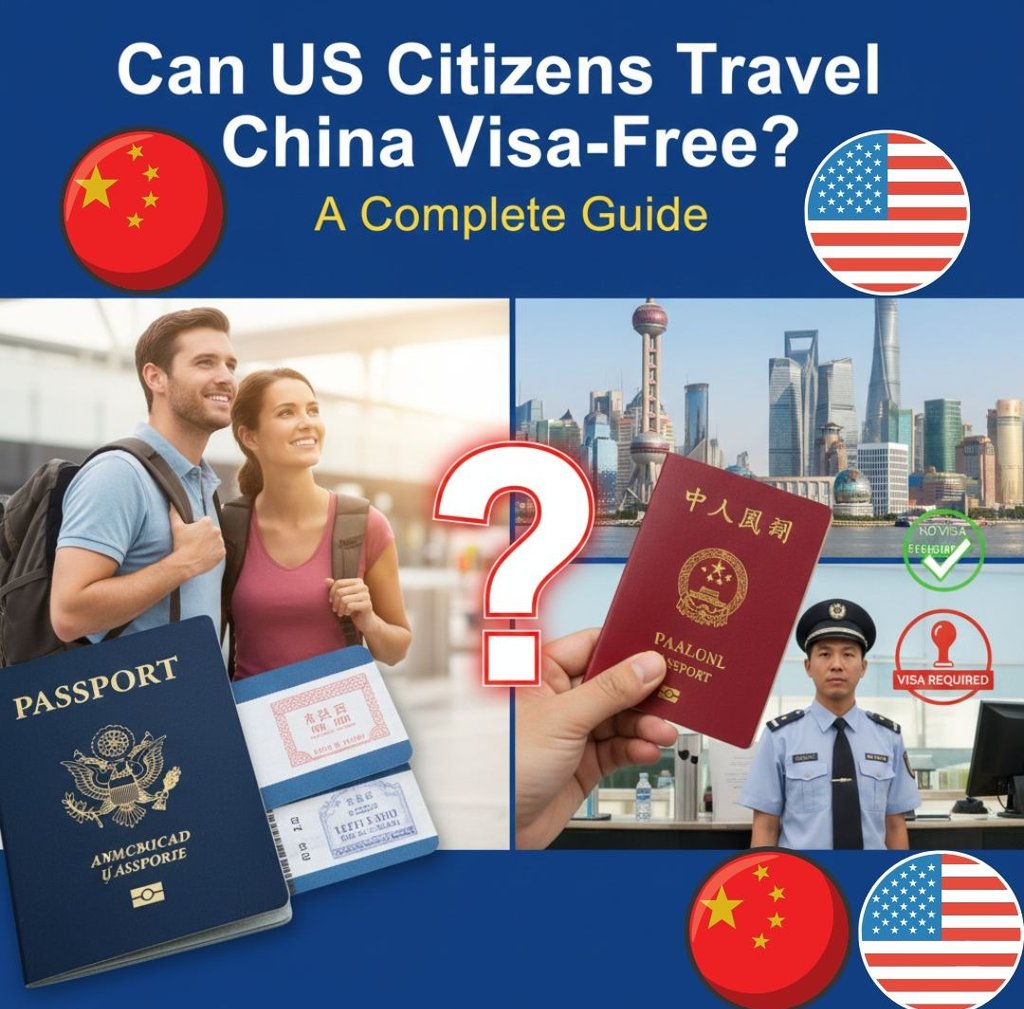
Understanding Visa Requirements for US Citizens
Traveling to China as a US citizen necessitates an understanding of the visa requirements applicable to various travel purposes. Unlike some nations that permit visa-free entry for certain durations, the People's Republic of China has strict visa regulations. Before planning a trip, it is essential for US travelers to acquire the appropriate visa, as entering the country without one can lead to significant legal ramifications and travel disruptions.
There are several types of visas available for US citizens depending on the reasons for the visit. The most common types include tourist visas (L visa), business visas (M visa), and work visas (Z visa). A US citizen intending to explore China for leisure will typically need a tourist visa, which can be obtained through travel agencies or directly from Chinese embassies. Business travelers have specific requirements, often necessitating an invitation from a Chinese company, and must apply for a business visa to engage in commercial activities.
Moreover, US citizens must consider potential updates to visa policies and regulations, which may impact travel plans. For instance, while some travelers may consider attending conferences, studying, or working in China, each scenario has particular visa stipulations that must be adhered to. Additionally, the COVID-19 pandemic has introduced further complications regarding entry permissions, making it imperative for travelers to remain informed of current policies.
In summary, it is crucial for US citizens to thoroughly understand the visa requirements before embarking on a journey to China. A well-planned approach toward obtaining the correct visa not only facilitates a smoother travel experience but also ensures compliance with China's legal framework related to foreign visitors.
Visa Exemptions and Special Cases
When considering the travel plans of US citizens to China, it is essential to acknowledge the various visa exemptions and special cases that may apply. While most travelers require a visa to enter China, there are specific scenarios in which US citizens can bypass the standard visa requirement. One notable exemption exists for individuals transiting through China. Travelers who have a layover in China of 24 hours or less are eligible for a visa-free transit if they remain within the airport. However, if they wish to leave the airport to explore the city or nearby areas during their layover, they must apply for a transit visa.
Another exemption is related to group tours. Under certain circumstances, US citizens traveling in a tour group organized by a licensed Chinese travel agency may qualify for a visa-free entry. This provision typically applies when the group is visiting designated cities or regions and meets specific requirements set forth by Chinese immigration authorities. It is essential for travelers to confirm the precise conditions and guidelines with the travel agency before relying on this exemption.
Additionally, recent developments in China’s visa policies have led to the introduction of a 144-hour visa-free transit policy in specific regions. This policy allows US citizens traveling to third countries through major Chinese cities such as Beijing, Shanghai, and Guangzhou to stay in those cities without a visa for up to 144 hours, provided they have onward travel arrangements to a third country. Nevertheless, it is crucial for travelers to stay informed about any changes in these policies as they may be subject to updates. Ultimately, grasping the nuances of these exemptions can significantly enhance travel plans, making visits to China more accessible for US citizens.
Consequences of Traveling Without a Visa
Traveling to China without a valid visa can lead to a range of serious consequences that US citizens should be aware of before planning their trip. China has strict immigration laws, and failing to comply with these regulations may result in being denied entry into the country. Air travelers who arrive in China without an appropriate visa are often turned away at immigration checkpoints, requiring them to return to their departure point at their own expense. This not only complicates travel itineraries but can also result in significant financial losses.
In addition to being denied entry, US citizens caught attempting to enter China without a visa may face legal ramifications. The Chinese authorities hold a firm stance on visa compliance, and violations can lead to detention or fines. Individuals may be subjected to questioning by law enforcement, and the situation could escalate, resulting in more severe penalties, including being banned from future travel to the country. The implications of such legal actions are profound, affecting travel plans not just for China but potentially for other countries that may view visa violations as a serious offense.
The importance of adhering to international travel laws cannot be overstated. Each nation has its own visa requirements, and it is crucial for travelers to understand these laws fully. Ignorance is not considered a valid excuse in legal systems, and individuals must take proactive steps to ensure their documentation is in order. Thoroughly researching visa regulations before a trip will enable US citizens to avoid unwanted complications and enjoy a seamless travel experience.
Therefore, it is essential to prioritize obtaining the necessary visas in advance to ensure compliance with Chinese immigration requirements. This proactive approach will not only enhance travel enjoyment but also safeguard against the potential repercussions of traveling without the required visa.
Preparing for Your Trip: Essential Steps for US Citizens
Traveling to China requires careful planning, especially for US citizens, given the country's unique visa requirements and cultural practices. To ensure a smooth journey, the first step is to understand the visa application process. Although US citizens typically need a visa to enter China, there are certain conditions under which visa exemptions may apply, such as for specific transit scenarios.
US travelers should visit the official website of the Chinese Embassy or Consulate in their area to access up-to-date information regarding visa types, application procedures, and necessary documentation. Commonly needed documents include a valid passport, completed visa application form, passport-sized photos, and possibly an itinerary demonstrating travel plans in China. Hence, it's advisable to start the application early, as processing times can vary.
Additionally, health and safety are paramount when traveling abroad. US citizens should consider obtaining vaccinations recommended by health authorities, review any travel advisories issued by the US State Department, and purchase a comprehensive travel insurance policy. Researching local health services in China and understanding emergency telephone numbers can also provide peace of mind during the trip.
Acquainting oneself with local laws and cultural norms is equally important. Understanding practices such as etiquette in social interactions, dress codes, and acceptable public behavior can greatly enhance travel experiences. Learning some key phrases in Mandarin can also be beneficial, as it helps in communicating with locals and demonstrating respect for their culture.
In closing, preparing for travel to China involves several essential steps for US citizens, including visa applications, health considerations, and cultural awareness. Taking these preparatory measures helps ensure a rewarding and hassle-free journey.