
FIFA's Infantino Faces Backlash Over 2026 Ticket Prices
Explore the global outcry as FIFA President Gianni Infantino faces backlash over the 'extortionate' 2026 World Cup ticket prices. Discover details about the new $60 tier and why fan groups claim it's still not enough.
NEWSSPORTS
digifusion
12/25/20254 min read
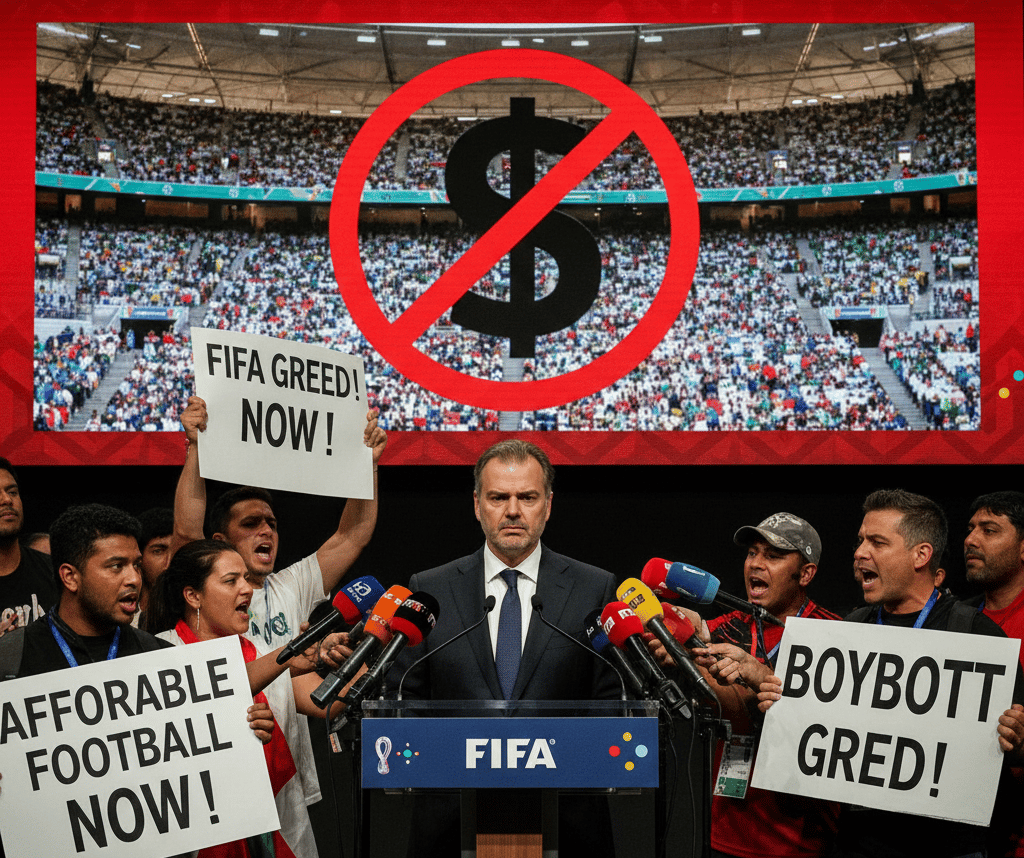
Introduction to the Ticket Price Controversy
The world of sports often serves as a microcosm of broader societal trends, and the recent announcement by FIFA President Gianni Infantino regarding ticket pricing for the upcoming tournament has ignited significant public discourse. At the heart of this controversy lies the announcement of ticket prices that many perceive as exorbitant, particularly in the context of current economic challenges faced globally.
The pricing strategy has drawn criticism from fans, pundits, and stakeholders alike, many of whom argue that access to prestigious sporting events should not be reserved for the affluent. It is essential to recognize that affordable access to sports is not merely a matter of entertainment; it embodies inclusivity and equal opportunities for fans across socio-economic backgrounds. The backlash against Infantino's pricing decisions underscores a growing demand for accountability and fairness within international sporting organizations.
Moreover, as organizations like FIFA navigate the complexities of profit-making while striving to promote the beauty of sport, the implications of pricing practices become more pronounced. With ticket prices being a pivotal aspect of the fan experience, the potential for exclusion becomes a prominent concern. Fans are increasingly vocal about the significance of ensuring that the most passionate supporters can participate in the vibrant atmosphere that accompanies live sporting events.
As the tournament approaches, the focus on ticket pricing is likely to intensify, drawing attention to the broader implications for accessibility in sports. Infantino's role as FIFA President, a position that wields considerable influence over the direction of the organization, adds another layer to this unfolding narrative. The balance between generating revenue and promoting equitable access to sports events remains a critical point of contention, highlighting the need for thoughtful dialogue surrounding ticket pricing in the realm of global sports.
Public and Media Reactions
The recent announcement of ticket pricing for the upcoming FIFA tournament has ignited a wave of responses from both the public and various media outlets. Fans and pundits within the football community have voiced their concerns over the accessibility of the tournament, raising significant questions regarding the implications of such pricing on the sport's global inclusivity.
Across various social media platforms, reactions have ranged from outrage to disbelief. Many supporters of football expressed their discontent, pointing out that the elevated prices may alienate passionate fans, particularly those from lower-income backgrounds. Users on Twitter and Facebook have used hashtags related to the tournament to amplify their voices, sharing personal stories of their commitment to the sport while critiquing the perceived prioritization of profit over fan engagement.
In addition to social media outcry, established media outlets have also focused on the ramifications of these pricing strategies. Articles highlighting the potential impact on attendance have emerged, with several sports journalists arguing that inflated ticket prices undermine the spirit of the tournament, which is intended to be a celebration of football culture worldwide. Industry experts are pointing to historical precedents wherein exorbitant ticket costs have resulted in both physical and social barriers for many fans.
Furthermore, debates have emerged about the broader implications of FIFA's pricing strategy on the sport itself. Critics within the football community have emphasized that if only affluent fans can afford to attend matches, it may dilute the essence and culture of football. This sentiment is echoed by multiple media commentators who caution against the commodification of what is traditionally a communal and accessible event.
Overall, the varied reactions reflect a significant concern regarding accessibility, and the ongoing discourse emphasizes the need for FIFA to reconsider its approach to ticket pricing in order to ensure that the tournament remains a celebration for all fans, not just the privileged few.
FIFA's Justification and Response
In light of the mounting criticism surrounding the recent ticket pricing strategy for the upcoming tournament, FIFA officials have issued statements aimed at justifying the increases. Gianni Infantino, the FIFA President, has highlighted the organization's commitment to making football accessible globally while also recognizing the rising costs associated with hosting world-class sporting events. He iterates that the ticket prices are not arbitrary but are informed by various economic factors, including inflation and the substantial investments required to host such large-scale tournaments.
FIFA has maintained that the pricing strategy is a necessary measure to ensure that the event remains financially viable. According to officials, the funds generated from ticket sales are crucial in supporting the operational costs of the tournament and investing back into football development programs worldwide. They emphasize that while the prices might deter some fans, they are designed to reflect the value and unique experience that the tournament offers. FIFA also reassured the public that there will be a variety of ticket options available, aimed at accommodating a wider audience, including packages that are priced more affordably.
The public's response to these justifications has been mixed. Many fans express frustration over the perceived lack of consideration for ordinary spectators who wish to attend the tournament, while others acknowledge the financial pressures that FIFA faces. The organization faces the challenging task of balancing profitability with accessibility to the sport. The economic pressures exacerbating the ticket pricing debate are not isolated to FIFA but are indicative of a larger trend seen in sports entertainment, where the costs of maintaining high-quality infrastructure and services continue to escalate.
Potential Consequences for FIFA and Future Events
The recent controversy surrounding FIFA President Gianni Infantino's ticket pricing for the upcoming tournament has triggered a wave of backlash that could have far-reaching implications for the organization. As fans and critics express their discontent over perceived exorbitant prices, there is a looming question regarding how this negative sentiment might affect ticket sales. If the outcry continues, it could deter potential attendees, leading to decreased revenue collectively impacting sponsorship and broadcasting deals.
Moreover, FIFA's brand image, already scrutinized for various reasons in recent years, may suffer significant damage as a result of this incident. Once viewed as the pinnacle of global sports governance, FIFA's reputation now stands at risk, as it faces accusations of prioritizing profit over the genuine love of the game and the accessibility of its events. This consequence rings particularly deep given FIFA's mission to promote soccer as a universal sport accessible to all, regardless of socioeconomic status.
Future events organized by FIFA could experience similar challenges if corrective measures are not taken to address current grievances. Increased focus on fan engagement, fair pricing models, and transparent communication could mitigate discontent among supporters. To regain public trust, FIFA might need to re-evaluate its ticketing policies, possibly implementing tiered pricing to ensure diverse fan access, especially for lower-income individuals and families.
Furthermore, fostering dialogue with fan groups, advocacy organizations, and stakeholders could positively influence FIFA’s public perception, demonstrating a willingness to adapt and meet the demographics of their audience. By prioritizing inclusivity and affordability, FIFA can better align with its stated goal of bringing the world together through soccer, potentially laying the groundwork for a robust recovery and restoration of its reputation in the sporting landscape.