
Impact of Donald Trump Tariffs on Global Trade
Explore how Donald Trump tariffs have become a cornerstone of his economic policy, significantly impacting global trade relationships and reshaping international commerce dynamics. Understand the implications of tariffs on the economy.
NEWS
digifusion
12/1/20255 min read
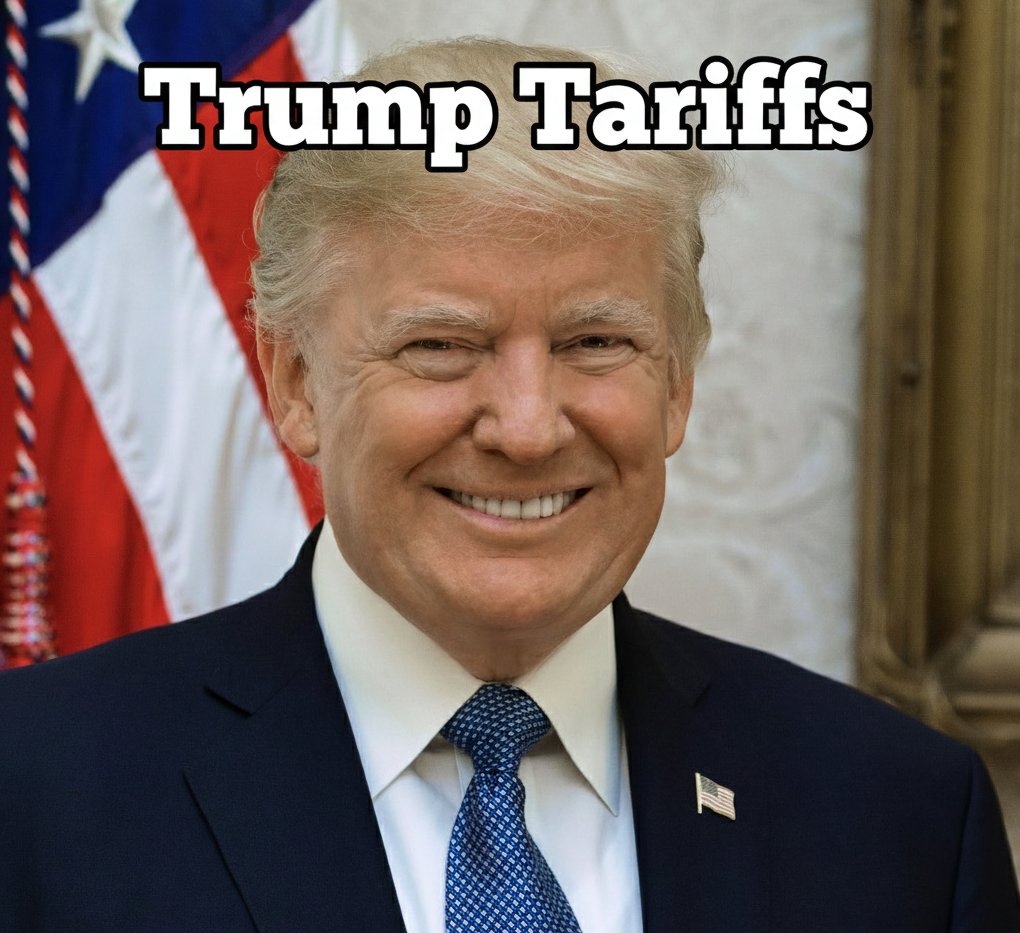
Understanding Trump Tariffs
Tariffs, a form of taxation imposed by governments on imported goods, serve as a tool for regulating international trade. During the presidency of Donald Trump, tariffs became a cornerstone of his administration's economic policy, particularly aimed at reshaping the United States' trade relationships. The implementation of these tariffs was accompanied by a stated intention to protect American industries from what was perceived as unfair foreign competition, alongside the ambition of reducing the trade deficit that the United States faced with several countries.
The rationale behind Trump's tariffs was multifaceted. Primarily, the administration expressed concerns over the detrimental impact of overseas manufacturing on American jobs. By imposing tariffs on certain imported goods, the goal was to make foreign products more expensive, thereby encouraging consumers to purchase domestically produced items. Such a strategy was argued to not only bolster American manufacturing but also to reignite economic growth by preserving job opportunities in key industries.
In March 2018, the administration announced significant tariffs on steel and aluminum imports, which were justified on national security grounds. These tariffs impacted several countries, including Canada, Mexico, and China, among others. Subsequently, tariffs targeting a broader range of goods, particularly those originating from China, were introduced, amounting to billions of dollars. These measures included tariffs on electronics, machinery, and various consumer products, which were perceived to be undervalued or subsidized by foreign governments.
While the Trump administration maintained that these tariffs would lead to a more level playing field for American companies, the repercussions on the global economy were swiftly felt. Critics argued that the ensuing trade wars could disrupt supply chains and ultimately lead to higher prices for American consumers. Thus, the introduction of Trump tariffs underscored a significant shift in U.S. trade policy during a time of evolving global economic dynamics.
Impacts on Domestic Economy
The implementation of Trump tariffs has significantly influenced the U.S. economy, impacting various sectors and altering the landscape of domestic production. One of the immediate effects was the increase in prices for consumers. As tariffs were placed on imported goods, businesses faced higher costs and subsequently passed these expenses onto consumers, resulting in elevated prices for everyday items. This price inflation was particularly noticeable in sectors such as steel, aluminum, and electronics, where imported materials constituted a large share of production costs.
In terms of domestic production, the tariffs aimed to encourage local manufacturing by making imported products less competitive. While some industries, such as steel and aluminum, experienced a temporary boost in production and job opportunities, other sectors faced challenges. Industries reliant on imported components, including automotive and consumer electronics, struggled with increased costs, leading to production slowdowns and, in some cases, job losses. Consequently, the tariffs created a mixed bag of outcomes regarding job creation across various sectors.
American businesses have had to adapt to this evolving trade landscape, finding ways to mitigate costs and maintain competitiveness. Some companies chose to source materials from domestic suppliers to avoid tariffs, while others invested in technology and process improvements to reduce reliance on imported goods. However, these adaptations also brought about unexpected consequences. Retaliation from trade partners led to reciprocal tariffs, affecting U.S. exports, particularly in agriculture and manufacturing, resulting in market uncertainties and strained relationships with key trading partners.
Overall, the impacts of Trump tariffs on the domestic economy illustrate the complexities of trade policy, where intended benefits can be counterbalanced by unforeseen challenges. As American industries navigate this new environment, the long-term implications of these tariffs remain a crucial aspect of ongoing economic discourse.
Global Trade Reactions and Shifts
The implementation of tariffs by the Trump administration has significantly influenced global trade dynamics and prompted various reactions from other nations. China, as one of the United States' principal trading partners, quickly retaliated with its own tariffs on American goods. This tit-for-tat approach not only escalated trade tensions but also altered existing supply chains. Key exports from the U.S. faced increased costs, leading some companies to reevaluate their international sourcing strategies. Consequently, businesses began to explore new markets that were less impacted by these tariffs, contributing to a realignment of trade patterns in Asia and beyond.
In the European Union, member states expressed concerns over the sustainability of their economic relations with the United States in light of the tariffs. The EU responded with its own tariffs on U.S. goods, primarily targeting sectors such as agriculture and automotive industries. This led to a ripple effect, as European companies faced increased prices on imports, which ultimately affected consumer prices and local economies. Furthermore, the EU sought to reinforce its trade alliances with other nations, notably through trade agreements with Canada and Japan. Such alliances aimed to mitigate reliance on the U.S., showcasing a strategic pivot in response to the shifting trade landscape.
Canada, another major trading partner to the U.S., also initiated countermeasures against American tariffs. The Canadian government implemented retaliatory tariffs on a wide array of products, emphasizing a commitment to protecting its economic interests. In light of these developments, Canadian companies accelerated efforts to diversify their trade partnerships, resulting in enhanced trade relations with countries in Asia, Europe, and Latin America.
Overall, Trump's tariff policies catalyzed significant shifts in global supply chains and trade patterns. Nations increasingly turned to alternative markets and partnerships, reshaping economic alliances and dynamics in the face of new trade realities. These adjustments are likely to have long-term implications as countries continue to strategize for competitive positioning in a changed global marketplace.
Long-Term Implications for Global Trade
The implementation of Trump's tariffs marked a pivotal moment in the landscape of international trade, introducing a wave of protectionism that could have lasting repercussions for global trade dynamics. As nations recalibrate their trade strategies in response to these tariffs, the long-term effects may alter the very fabric of global commerce. This shift may lead other countries to adopt similar protectionist measures, fostering an environment characterized by economic isolationism rather than interdependence.
Successive U.S. administrations will play a crucial role in determining the future trajectory of American trade policy. Should future leaders continue to embrace tariff strategies reminiscent of the Trump era, the ripple effects could further entrench protectionist practices worldwide. Conversely, a pivot towards more traditional trade agreements could signal a renewed commitment to globalization, potentially reshaping alliances and trade partnerships that have been strained by recent policies.
International trade agreements, once symbols of cooperative economic policy, may now face heightened scrutiny and reevaluation. Countries are expected to leverage existing agreements or forge new ones that mitigate the impacts of U.S. tariffs. This evolution could result in a patchwork of bilateral and multilateral trade deals as nations strive to protect their economic interests while navigating an increasingly complex trading environment.
Businesses and economies are responding with innovative strategies to adapt to this new landscape. Companies are diversifying supply chains, exploring alternative markets, and investing in local production to mitigate tariff impacts. By understanding the shifts in global trade dynamics initiated by these tariffs, stakeholders can better prepare for the uncertainties that lie ahead. Firms that successfully navigate these challenges may emerge as leaders in their respective industries, reinforcing the idea that adaptability is paramount in an ever-changing world of global trade.