
EU Announces €3 Million Aid for Pakistan Flood Victims EU Emergency Aid
The EU emergency aid has announced an additional €3 million in emergency aid for Pakistan's flood victims. This support will focus on helping the hardest-hit communities, particularly in Punjab. Discover how this cash assistance will make a difference.
NEWS
digifusion
12/2/20254 min read
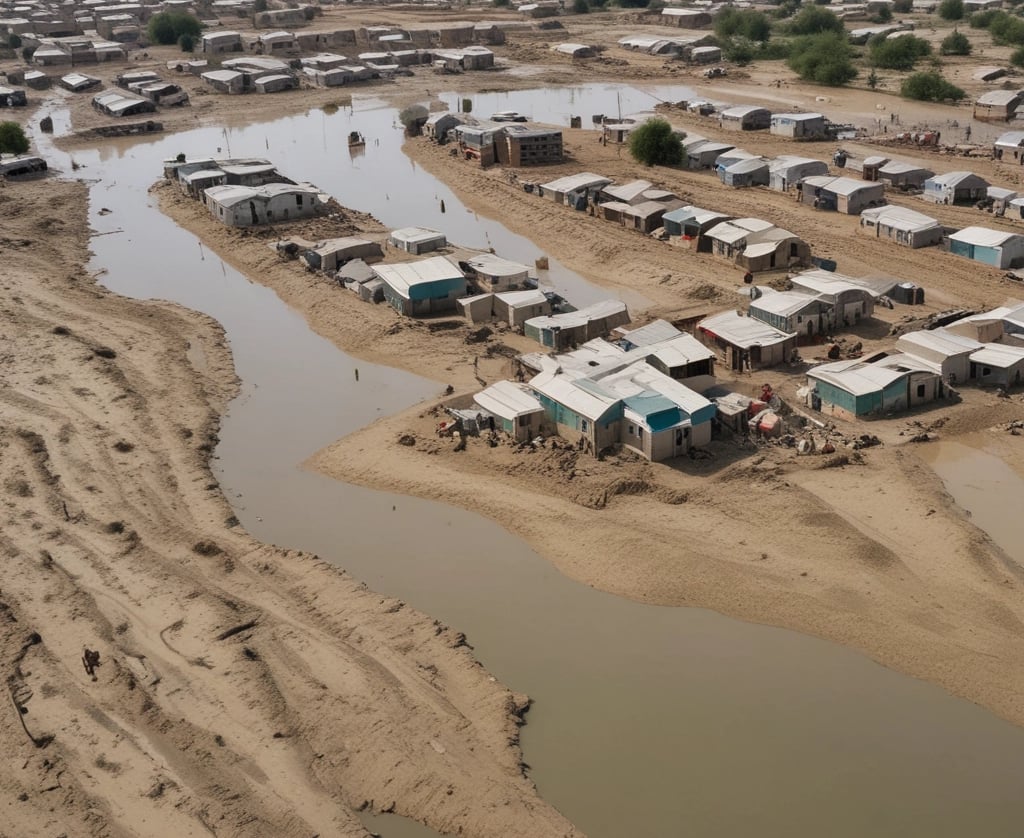
Overview of the Flooding Crisis in Pakistan
The flooding crisis in Pakistan has reached alarming levels, significantly impacting both the landscape and the lives of citizens. The country has experienced a series of devastating floods linked to a combination of climatic changes, excessive rainfall, and seasonal flooding patterns that have historically affected the region. Recently, heavy downpours—exceeding seasonal averages—have exacerbated the situation, leading to widespread destruction across various provinces, with Punjab being one of the hardest hit.
The extent of the damage caused by the floods is staggering. While precise figures are still emerging, government estimates indicate that millions of people have been displaced due to the relentless waters that have swept through residential areas. Moreover, significant damage to infrastructure has been reported, including the destruction of roads, bridges, and schools, critically hampering emergency response efforts and long-term recovery initiatives. In many cases, access to essential services has been disrupted, complicating the humanitarian situation further.
Agriculture, a pillar of Pakistan's economy, has not escaped the crisis either. Floodwaters have inundated vast swathes of farmland, leading to widespread crop failure and livestock losses. This collapse not only threatens food security for millions but also poses serious long-term economic threats, as many families depend on agricultural income for their livelihoods. The economic impact, therefore, is expected to reverberate across various sectors, compelling a reevaluation of disaster preparedness and response strategies at both local and national levels.
In light of these events, international organizations and governments are closely monitoring the situation, recognizing the urgent need for emergency aid and long-term solutions to mitigate the effects of climate-induced disasters in Pakistan.
European Union's Response to the Crisis
In response to the devastating flooding that has affected numerous communities in Pakistan, the European Union (EU) has announced a significant allocation of three million euros in emergency aid. This decision underscores the EU's commitment to humanitarian assistance during times of crisis and its solidarity with the affected populations. The EU mission in Pakistan made the announcement, emphasizing the urgent need for aid in mitigating the impacts of this natural disaster.
The motivations behind this funding are multifaceted. Primarily, the EU aims to provide immediate relief to those displaced and severely impacted by the floods, which have resulted in loss of life, destruction of property, and disruption of livelihoods. The financial assistance is geared towards facilitating access to essential services, including clean water, food, and shelter, thereby helping to alleviate the acute humanitarian needs of the affected communities.
Furthermore, this allocation of emergency aid aligns seamlessly with the EU's broader foreign aid policies, which prioritize timely and effective responses to crises. The EU has a longstanding history of providing humanitarian assistance worldwide and is guided by the principles of solidarity and shared responsibility. In light of the current situation in Pakistan, this aid package not only reflects the EU's commitment to international cooperation but also embodies its proactive approach in addressing the immediate fallout from natural disasters.
In addition to financial support, the EU's response is expected to foster collaboration with various humanitarian organizations and local authorities in Pakistan, optimizing the effectiveness of aid distribution. The anticipated impact of this assistance extends beyond immediate relief; it is also aimed at laying the groundwork for recovery and long-term resilience of the affected communities. Through this strategic intervention, the EU seeks to contribute meaningfully to the rebuilding efforts in Pakistan as the country grapples with the aftermath of such profound devastation.
Cash Assistance Program for Affected Communities
The European Union has initiated a comprehensive cash assistance program aimed at supporting communities devastated by the recent floods in Pakistan. This program is chiefly directed toward the most severely affected areas in Punjab, where families and local businesses have faced extensive losses. The cash assistance aims to provide immediate relief, enabling recipients to meet their essential needs and start rebuilding their lives.
To ensure efficient delivery of funds, the program utilizes a multi-faceted logistics approach involving both direct cash transfers and the establishment of distribution points in affected areas. Local authorities and non-governmental organizations (NGOs) play a pivotal role in managing these operations, ensuring that aid reaches those in greatest need in a timely manner. Coordination with community leaders helps identify the most vulnerable households, allowing the program to effectively target those who have been severely impacted.
In terms of selection criteria, priority will be given to families that have lost their primary sources of income, including farmers who have seen their crops destroyed. Additionally, special considerations will be made for households with elderly, disabled, or otherwise vulnerable members. This targeted approach not only helps ensure that the cash assistance reaches the most needy but also fosters community cohesion during this challenging time.
The expected benefits of this cash assistance program are significant. For families, it means the ability to purchase food, medicine, and essential household items, reducing their immediate economic stress. For local businesses, the injection of cash can help revitalize commercial activities, contributing to the overall economic recovery of the region. As communities begin to rebuild, this assistance will serve as a crucial stepping stone towards restoration and resilience.
Long-term Recovery and Support Initiatives
The emergency aid provided by the European Union (EU) to flood-hit communities in Pakistan is a crucial step in addressing immediate humanitarian needs. However, the broader implications of this assistance extend far beyond initial relief efforts. Long-term recovery requires comprehensive planning and coordinated support initiatives that can effectively address the root causes of vulnerability in these communities. This is essential for building resilience against future disasters and ensuring sustainable development.
As part of the long-term recovery strategy, a focus on infrastructure rebuilding is vital. Flood-damaged roads, bridges, and public facilities must be reconstructed to restore connectivity and facilitate economic activities. The EU’s aid can pave the way for joint efforts with local authorities to establish robust infrastructure that can withstand future climatic events, thereby reducing the impact of such disasters on communities.
In addition to infrastructure, health services need urgent stabilization and enhancement. The emergency aid can help reestablish primary healthcare facilities and supply essential medicines and services to the affected populations. Furthermore, integrating mental health support into recovery programs is indispensable, as the psychological toll of natural disasters often goes unaddressed, hindering overall community recovery.
Agricultural recovery programs are also a critical component of long-term support initiatives. The floods devastated vast areas of arable land, displacing farmers and disrupting food supply chains. Future EU interventions could include funding for seed distribution, sustainable farming practices, and training programs aimed at enhancing agricultural resilience. By investing in these areas, communities can gradually regain their livelihoods, thereby supporting food security and economic stability.
Ultimately, the integration of sustainable recovery strategies will play a vital role in enhancing community resilience. It is essential that future initiatives go beyond short-term relief to include comprehensive planning that fosters adaptation to climate change and mitigates risks associated with natural disasters.