
EU Fines Elon Musk's X €120 Million: Key Insights
Discover why the EU imposed a €120 million fine on Elon Musk's X (formerly Twitter). Learn about the implications for content moderation and what this landmark decision means for the future of big tech in Europe.
NEWS
digifusion
12/7/20255 min read
Introduction to the Fine
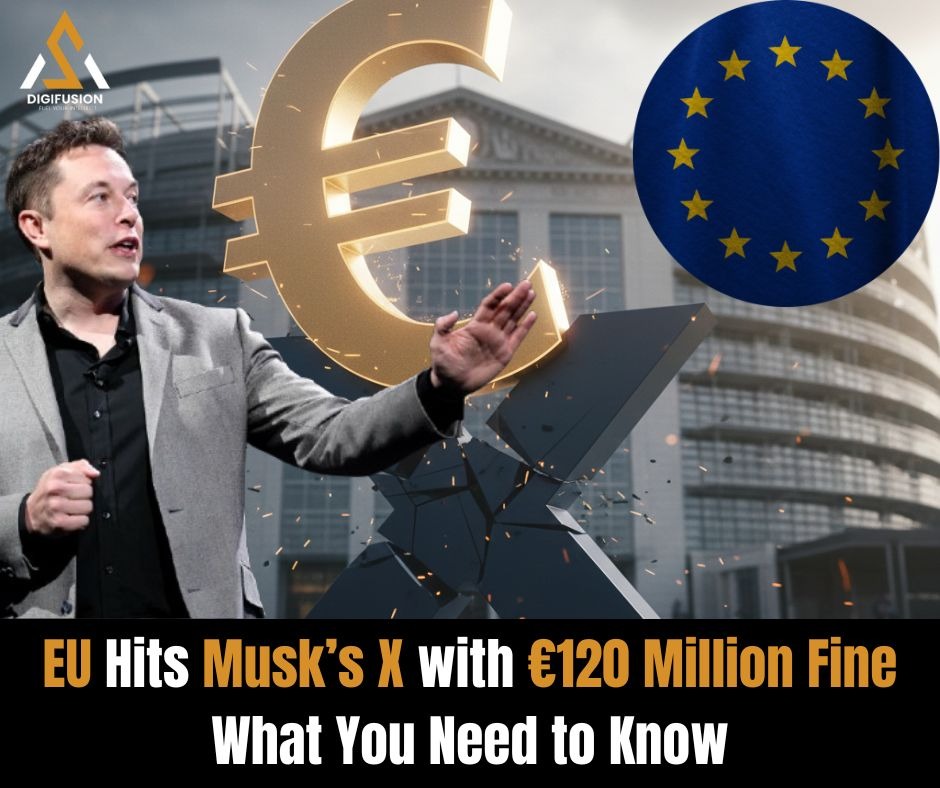
In a significant development within the realm of digital governance, the European Union has imposed a €120 million fine on Musk’s X, marking a notable enforcement action reflective of the continent's stringent regulatory landscape. This penalty is categorized as one of the largest fines allocated under the EU’s rigorous data protection regulations and is indicative of the increasing resolve by European authorities to hold companies accountable for compliance failures.
The decision stemmed from violations reported by the regulatory bodies in relation to the General Data Protection Regulation (GDPR). The GDPR mandates strict guidelines surrounding data privacy and security for all companies operating within the EU, ensuring that the personal information of individuals is handled responsibly. Musk’s X was found to have flouted several provisions of this regulation, resulting in the substantial financial penalty. The violations included inadequate measures to protect user data and failure to comply with transparency obligations regarding data handling practices.
This fine serves as a cautionary tale for not only Musk’s X but also other tech companies operating in Europe. The EU aims to cultivate an environment where businesses prioritize user privacy and adhere to legal mandates. Such measures underscore the regulatory body's commitment to establishing robust protections for individuals' personal data in an increasingly digital world. The implications of this ruling could resonate beyond monetary fines; it may compel Musk's X to reevaluate its data management frameworks and operational strategies going forward. In this way, the fine can be seen as part of a larger trend towards enhanced corporate accountability within the digital sector, emphasizing the importance of regulatory compliance to mitigate potential risks.
Background on Musk’s X and EU Regulations
Musk’s X, originally known as Twitter before its rebranding, has transformed significantly since its inception in 2006. The platform quickly evolved into one of the largest social media networks globally, characterized by its microblogging features that allow users to share short messages, known as tweets. With millions of active users worldwide, Musk’s X has become an influential tool for communication, news dissemination, and public discourse. However, the company’s growth has not been without challenges, particularly in the realm of compliance with legal and regulatory frameworks.
As digital platforms like Musk’s X expanded, the European Union (EU) began to take a more proactive stance on regulating the online environment. This evolution is steeped in the EU's commitment to safeguarding digital privacy, data protection, and ensuring corporate accountability. The General Data Protection Regulation (GDPR), enacted in 2018, marked a significant milestone in shaping the regulatory landscape for digital services in Europe. It mandates stringent guidelines on how companies handle personal data, enforce user rights, and report data breaches. The rapid development of technology necessitated a comprehensive approach to manage the delicate balance between innovation and the protection of citizen rights.
In response to the growing concerns around data handling practices, the EU introduced a series of regulations aimed at holding tech companies accountable for their operations. Growing scrutiny over Musk’s X aligns with these regulations, particularly regarding the platform's implications for user privacy and the dissemination of misinformation. The regulatory framework necessitates that companies like Musk’s X comply with established guidelines, ensuring they uphold the high standards set by the EU. Consequently, Musk’s X found itself at the center of multiple compliance issues that ultimately contributed to the recent €120 million fine imposed by EU authorities.
Reactions and Implications of the Fine
The €120 million fine imposed on Elon Musk’s X has elicited a diverse range of reactions from stakeholders across various sectors. Musk himself described the penalty as an overreach, asserting that it undermines innovation and places undue burdens on tech companies striving to operate within Europe. His comments reveal a critical perspective on regulatory actions and highlight apprehensions regarding the potential stifling of technological advancement. Industry experts, however, offer a more nuanced view, emphasizing the need for accountability in the digital landscape. They argue that such fines signal a clear message from regulators: that companies must adhere to established standards of data privacy and user protection.
The broader tech industry appears to be watching closely as well, with many firms expressing concern about the precedent set by this substantial penalty. Industry analysts predict that this fine may lead to heightened scrutiny of operations within the EU. Companies might be compelled to reevaluate their compliance strategies and enhance their data protection measures to avoid similar repercussions in the future. This fine is likely to encourage a more proactive approach towards regulatory standards, resulting in additional investments in compliance and governance frameworks across various tech platforms.
From the EU’s standpoint, this decision underscores their commitment to enforcing stringent regulations aimed at safeguarding user data and ensuring corporate responsibility. The Commission has indicated that penalties of this nature will continue to be a standard practice in addressing non-compliance, suggesting that other companies operating in the region may also face similar fines if they do not align with regulatory expectations. As digital landscapes evolve, the implications of Musk's fine are likely to resonate throughout the tech sector, prompting a reassessment of how businesses navigate future regulations in the EU.
Looking Ahead: Future of Musk’s X in the EU
The recent €120 million fine imposed on Musk’s X by European regulatory authorities raises significant questions regarding the platform's future trajectory within the European Union. To effectively navigate this setback, it is imperative for Musk's X to adopt a thorough and proactive approach towards compliance with the EU's stringent regulations. This incident serves as a pivotal moment, urging the company to reassess its operational methodologies to align with the expectations and legal frameworks set forth by European legislators.
One potential strategy Musk’s X might consider is the enhancement of its data privacy measures, ensuring that user information is guarded in accordance with the General Data Protection Regulation (GDPR). Strengthening these protocols could not only mitigate further legal repercussions but also bolster user trust, a crucial element for user retention and growth in the EU market. Additionally, transparent communication with European users regarding these enhancements may foster a more positive relationship and demonstrate the platform's commitment to user privacy.
Moreover, the fine could catalyze a broader restructuring of Musk's X’s internal compliance teams. By investing in legal expertise and compliance technologies, the company can develop an agile framework to adapt to evolving regulations. Continuous monitoring of EU legislation and feedback from users will allow Musk’s X to stay ahead of potential compliance issues, thereby minimizing risks related to operational disruptions or further penalties.
In the competitive landscape of social media, Musk’s X must also consider the potential impact of this fine on its market positioning within Europe. The platform’s ability to navigate regulatory challenges will be critical in retaining its user base amid increasing competition. Adopting a proactive compliance strategy could position Musk’s X as a socially responsible entity, potentially appealing to a user demographic that prioritizes data privacy and ethical practices.