
Field Marshal Asim Munir: Rise to Top Military Leader by 2025
Explore the ascent of Field Marshal Asim Munir and discover how his influence is shaping him to become one of the world's leading military leaders by December 25, 2025. Stay informed on the top military leaders of 2025.
NEWS
digifusion
12/10/20255 min read
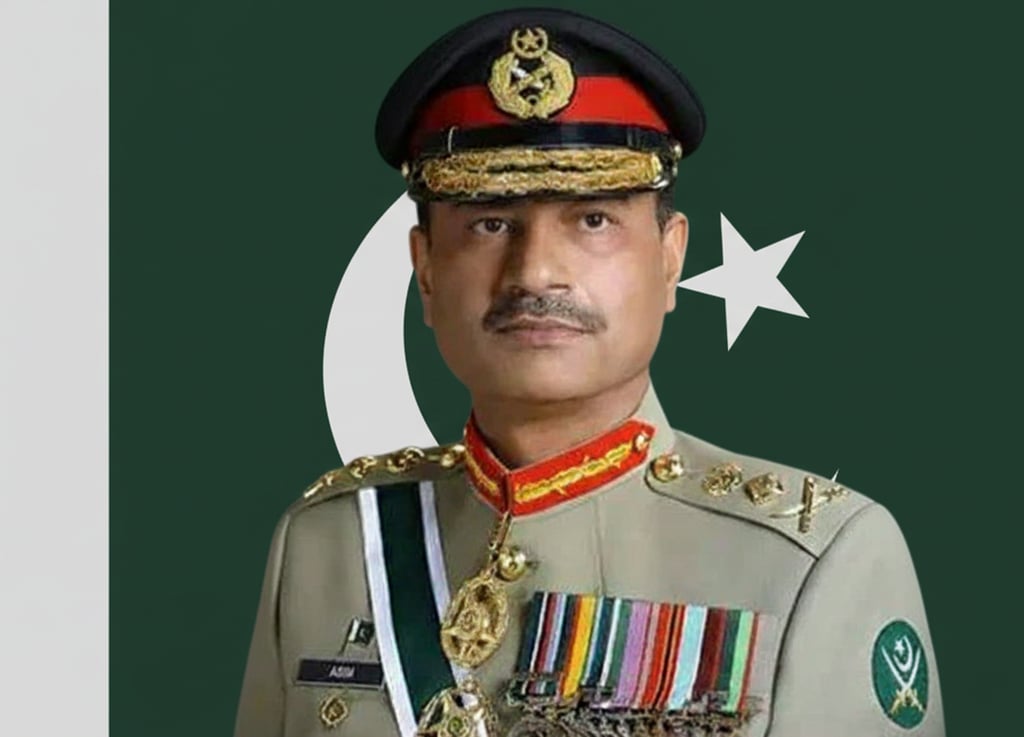
Introduction to Asim Munir's Ascendancy
Field Marshal Asim Munir has emerged as a pivotal military leader in contemporary times, commanding respect and recognition on a global scale. His career trajectory is marked by a series of significant milestones that reflect his dedication and capability within the military establishment. Born into a era where strategic leadership is increasingly critical, Munir has adeptly navigated the complexities of military service, positioning himself as a distinguished figure within Pakistan’s armed forces.
Commencing his military career after graduating from the Pakistan Military Academy in 1990, Asim Munir quickly distinguished himself through a combination of tactical acumen and strong leadership qualities. His initial postings in infantry units laid the foundation for a progressive rise through the ranks. Notably, Munir served as the Director General of Military Intelligence and later as the Chief of the Inter-Services Intelligence (ISI), roles which honed his analytical skills and decision-making abilities, essential traits for effective leadership in military operations.
During his tenure as the Chief of the ISI, he played a crucial role in counter-terrorism efforts and intelligence operations, significantly influencing Pakistan’s defense policies. The evolution of his career is also highlighted by his appointment as the Chief of Army Staff, where his strategic vision was pivotal in modernizing military practices and enhancing operational readiness. Munir's approach is characterized by a blend of traditional military values with contemporary strategies aimed at addressing both domestic and international challenges.
The events shaping his career have crafted a robust leadership style that resonates with contemporary military requirements, emphasizing adaptability and comprehensive understanding of geopolitical dynamics. By the time December 25, 2025, arrives, Asim Munir's journey illustrates how a deep commitment to service and strategic foresight can establish an individual as a globally influential military figure.
Key Achievements and Strategic Leadership
Field Marshal Asim Munir has become a prominent figure in military history due to his remarkable achievements and strategic leadership during his tenure. One of his most notable accomplishments is the comprehensive military reforms he implemented, which aimed to modernize Pakistan’s armed forces. These reforms emphasized not only technological advancements but also the restructuring of command frameworks, promoting efficiency and adaptability within the military ranks. His forward-thinking approach has drawn considerable attention from defense analysts and global military strategists alike.
In addition to military reforms, Munir has overseen several operational successes that demonstrated his capability as a military leader. Under his directive, the Pakistan Army has successfully conducted various high-profile operations that have significantly enhanced national security and counter-terrorism efforts. His focus on intelligence-led operations has been key to dismantling insurgent networks and restoring peace in volatile regions. Such deployments have not only bolstered Pakistan's internal stability but have also contributed to regional security, thus enhancing Munir's reputation on an international scale.
Moreover, his strategic initiatives have fostered stronger international alliances and military partnerships. Recognizing the importance of collaboration in modern warfare, Munir has actively engaged with foreign military leaders, resulting in joint exercises and shared intelligence initiatives. These alliances have positioned Pakistan as a vital player in global military discussions, further establishing Munir’s influence. His emphasis on diplomacy intertwined with military readiness has equipped Pakistan to adapt to evolving geopolitical landscapes effectively.
Field Marshal Asim Munir's achievements and strategic insight illuminate his vision for a modern military capable of addressing both national and international challenges. His role in transforming Pakistan's military narrative has rightly earned him recognition as one of the most influential military leaders on the global stage.
Global Impact and Influential Decisions
Field Marshal Asim Munir has emerged as a pivotal figure in the contemporary military landscape, influencing not only regional dynamics but also shaping global strategies. His decisions have reverberated across various spheres, particularly in peacekeeping missions, counter-terrorism efforts, and diplomatic engagements that underscore the complexity of international relations.
One notable example of his influence can be seen in his active role in multinational peacekeeping operations. Munir has spearheaded initiatives aimed at stabilizing conflict-ridden areas, fostering cooperation among nations, and promoting humanitarian assistance. His leadership during these missions has resulted in enhanced collaboration between military forces from diverse countries, ultimately contributing to successful conflict resolution and the restoration of peace in affected regions. By prioritizing diplomatic dialogue over military might, he has effectively repositioned the role of the military in peacekeeping operations.
Additionally, Munir has been a key player in counter-terrorism strategies, recognizing the need for a comprehensive approach that combines military action with socio-economic development. His emphasis on intelligence-sharing and joint operations with regional allies has significantly disrupted terrorist networks and prevented potential attacks. This multifaceted strategy has positioned him not only as a military leader but also as a statesman, advocating for stability and security on a broader scale.
Furthermore, his geopolitical engagements have reshaped alliances and partnerships. Through strategic dialogues and defense collaborations with both established and emerging powers, Munir has fostered greater military cooperation, enhancing collective security arrangements. This approach has placed him at the forefront of international diplomacy, allowing countries to jointly address shared security concerns while navigating the complexities of global power dynamics.
Through his multifaceted strategies, Field Marshal Asim Munir continues to redefine military leadership, proving that effective decisions resonate far beyond the battlefield, shaping both regional and global landscapes.
Public Perception and Legacy
Asim Munir's ascent within the military ranks has led to a significant public perception that has evolved over time. By December 25, 2025, he is likely to be viewed through multiple lenses, shaped by his actions, the media's portrayal, and the opinions of military analysts and historians. His leadership style, characterized by a blend of traditional military discipline and innovative strategies, has drawn both commendation and critique, affecting the way the public perceives him. Supporters often highlight his pragmatic approach to defense, emphasizing his ability to adapt to changing geopolitical landscapes, while detractors may argue that his decisions lack transparency or could lead to overreach.
The media plays a crucial role in shaping public opinion regarding Asim Munir. Coverage of his initiatives, whether in counter-terrorism, regional engagement, or military modernization, tends to focus on the tangible results of his leadership. However, sensationalized reporting can sometimes overshadow more measured analyses, creating polarizing opinions among the populace. The narrative surrounding his achievements could range from laudatory to skeptical, impacting the overall perception of his effectiveness as a military leader.
As the years pass, Asim Munir's legacy will be dissected by historians and military scholars, who will assess the long-term implications of his leadership on both the military and the nation. His potential influence on future military leaders cannot be understated, as emerging patterns of leadership and strategy may reflect his tenure. With a focus on collaboration, modernization, and a shift towards more diplomatic approaches, Munir's impact could inspire a new generation of military leaders to prioritize both operational effectiveness and ethical considerations in defense strategy.
In conclusion, by the end of 2025, Asim Munir is expected to be viewed as a pivotal figure in modern military leadership, with a complex legacy that will influence future leaders and shape the discourse around military ethics and strategy.