
Tension Between Tradition and Religious Freedom in Japan
Explore the complex challenges surrounding religious freedom in Japan, focusing on Muslim burial rites and the legal, social, and human rights issues related to inclusive cemetery spaces.
NEWSPOLITICS
digifusion
12/25/20254 min read
Understanding the Controversy
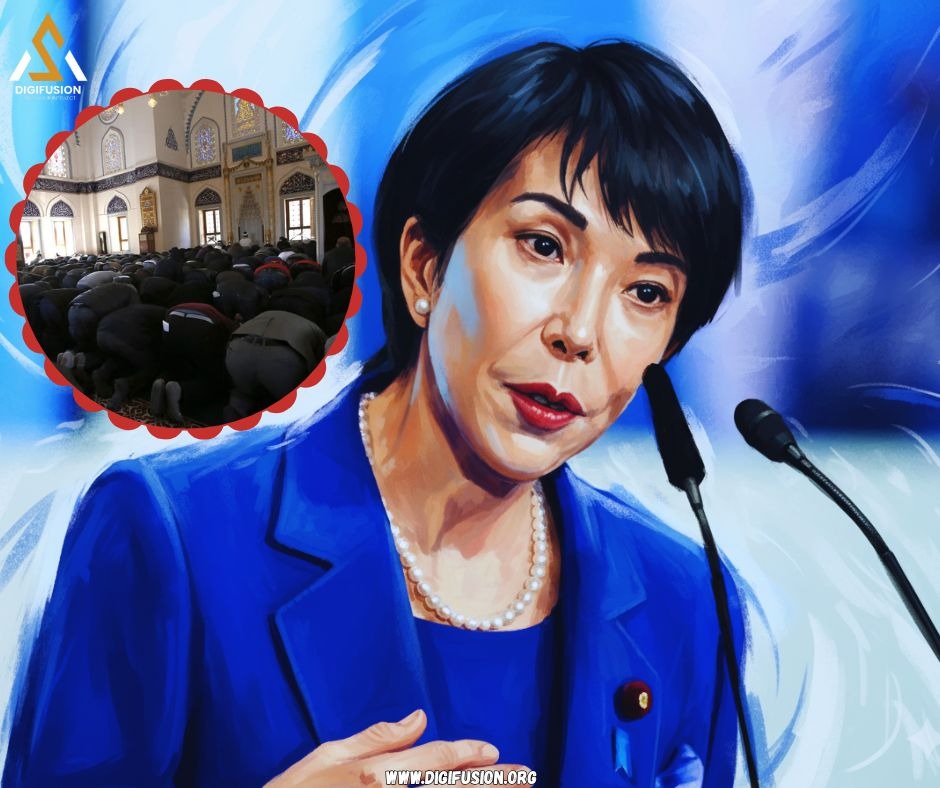
The recent decision by the Japanese government to not proceed with proposals for new Muslim cemeteries has sparked significant discussion and unrest among the Muslim community in Japan and its diaspora. This situation arises against a backdrop of ongoing debates about minority rights and religious accommodation in a country that has historically maintained a homogenous culture. The proposals for new cemeteries were advanced in response to the growing Muslim population in Japan, particularly in urban areas where economic activity has attracted many expatriates and migrant workers.
The government’s rationale for rejecting these proposals centers on concerns regarding land use, zoning laws, and cultural traditions. Officials argue that the establishment of Muslim cemeteries could clash with existing societal norms and practices regarding death and burial in Japan. As a result, the Muslim community, which has been vocal about its need for religious accommodations, particularly concerning burial practices, feels marginalized and disillusioned with the lack of support from government entities.
Another layer to this controversy is the historical context of religious accommodation in Japan. Traditionally, Japan has been a society where Shinto and Buddhist customs dominate, leading to a limited understanding and acceptance of other religious practices. The relatively small size of the Muslim population has further complicated matters, as the community has struggled for representation and recognition in a landscape that often overlooks their needs and rights. The rejection of requests for Muslim cemeteries is perceived as emblematic of broader challenges faced by religious minorities in Japan.
In this dynamic, the tension between societal norms and the rights of minority groups presents a significant challenge. As the global landscape evolves and Japan becomes increasingly diverse, the efficacy and relevance of current policies regarding religious accommodation will need to be reassessed to promote a more inclusive society.
The Importance of Religious Accommodation
Religious accommodation plays a pivotal role in ensuring that minority communities can practice their faith and cultural traditions without impediment. In contemporary societies, where the mosaic of cultural and religious identities is increasingly diverse, the importance of accommodating the practices of minority groups cannot be overstated. One notable aspect of this accommodation is access to cemeteries that cater specifically to the religious needs of these communities. For instance, Muslim burial practices often require specific protocols regarding the treatment of the body, interment, and choice of burial site, which may not align with standard practices observed in predominantly non-Muslim countries.
Ensuring that individuals can bury their deceased according to their religious beliefs is not merely a matter of preference; it is crucial for preserving the dignity of the deceased and providing comfort to the bereaved family. Countries like the United Kingdom and Canada have developed frameworks that facilitate the establishment of designated burial grounds, thus demonstrating a commitment to inclusivity and respect for diverse cultures. In contrast, in Japan, the discussion surrounding Muslim cemeteries has highlighted the challenges faced by minority communities, including limited access to appropriate burial sites, thereby underscoring the need for a reevaluation of policies in this regard.
The benefits of religious accommodation extend beyond immediate practicalities; they reflect a broader societal commitment to human rights and the values of equality and tolerance. By recognizing and accommodating the religious practices of minority groups, societies can foster an environment where all individuals feel seen, respected, and valued. This, in turn, contributes to social harmony and strengthens the fabric of community life, allowing for greater inter-cultural understanding and cooperation. Without such measures, the risk of alienation and conflict can escalate, ultimately undermining the social cohesion necessary for thriving multi-religious societies.
Reactions from the Muslim Community and Advocacy Groups
The decision by Japan concerning the establishment of Muslim cemeteries has elicited a strong response from various segments of the Muslim community and related advocacy organizations. Community leaders have expressed deep disappointment, arguing that the refusal of cemetery space is a demonstration of a wider disregard for the rights of Muslims residing in Japan. Organizations such as the Japan Muslim Association and several civil rights groups have been vocal in their opposition, citing the need for religious accommodation in a society increasingly recognized for its diversity.
Leila Al-Masri, a representative from the Japan Muslim Association, stated, "Every faith deserves a dignified space for their deceased. Our request is not only for a cemetery but also for respect and recognition of our existence in Japanese society." The sentiment reflects a larger call for discussions around minority rights, emphasizing that the issues of belief and burial practices are fundamental to human dignity.
In addition to formal statements, community members have taken to social media to share their experiences and frustrations. Hashtags advocating for Muslim rights have gained traction, highlighting their struggle to find spaces that honor their cultural and religious practices. Some prominent figures within various civil rights organizations have extended their support, underlining that this issue resonates far beyond the Muslim demographic, touching upon the broader theme of inclusion in Japanese society.
Moreover, there has been a call for public forums where community leaders can engage with Japanese citizens to discuss mutual understanding and religious tolerance. While responses within the Japanese populace have been mixed, some groups have shown solidarity, urging for a reconciliatory dialogue that preserves the traditions of all faiths. This reaction points towards an essential crossroads in Japan’s ongoing journey towards embracing pluralism and advocating for minority rights.
The Path Forward: Seeking Solutions and Bridging Gaps
As Japan continues to navigate the complexities of religious accommodation within its national policies, it becomes increasingly essential to foster an environment that promotes cultural inclusion. The controversy surrounding Muslim cemeteries is not merely an administrative issue; it reflects deeper societal concerns regarding the rights of minority groups. Therefore, constructive dialogue between government authorities and minority communities is paramount to identify potential solutions that respect both cultural practices and public sentiment.
One avenue for progress is the establishment of formal platforms for discussion between policymakers and representatives of Muslim communities. Regular forums could facilitate transparency and understanding, allowing stakeholders to voice their concerns and expectations regarding the cemetery issue. These discussions could consider various models of cemetery administration that have been successfully implemented in other multicultural societies, ensuring they are tailored to fit the unique context of Japan.
Moreover, negotiations could explore hybrid solutions that provide religious accommodation while addressing community apprehensions. For instance, creating designated burial sites within existing cemeteries, or developing separate yet integrated cemeteries specifically for Muslims, could be ways to balance religious rights with local traditions. Such an approach not only honors the cultural identities of minority groups but also alleviates potential community concerns related to aesthetic and spatial needs.
Furthermore, government outreach programs aimed at educating the broader public about Islamic burial practices are essential. By enhancing awareness and promoting understanding, these initiatives can help demystify cultural differences and bridge the gaps between diverse communities. Ultimately, the path forward lies in collaborative efforts, respect for religious pluralism, and a commitment to coexistence that enriches the fabric of Japanese society.