
Moscow's Take on US Strategy and Global Power Shifts
Explore Moscow's official response to the latest US strategy and how it aligns with Russia's view on global power dynamics. Understand the implications for US-Russia relations and the shifting landscape of international politics.
NEWSPOLITICS
digifusion
12/8/20255 min read
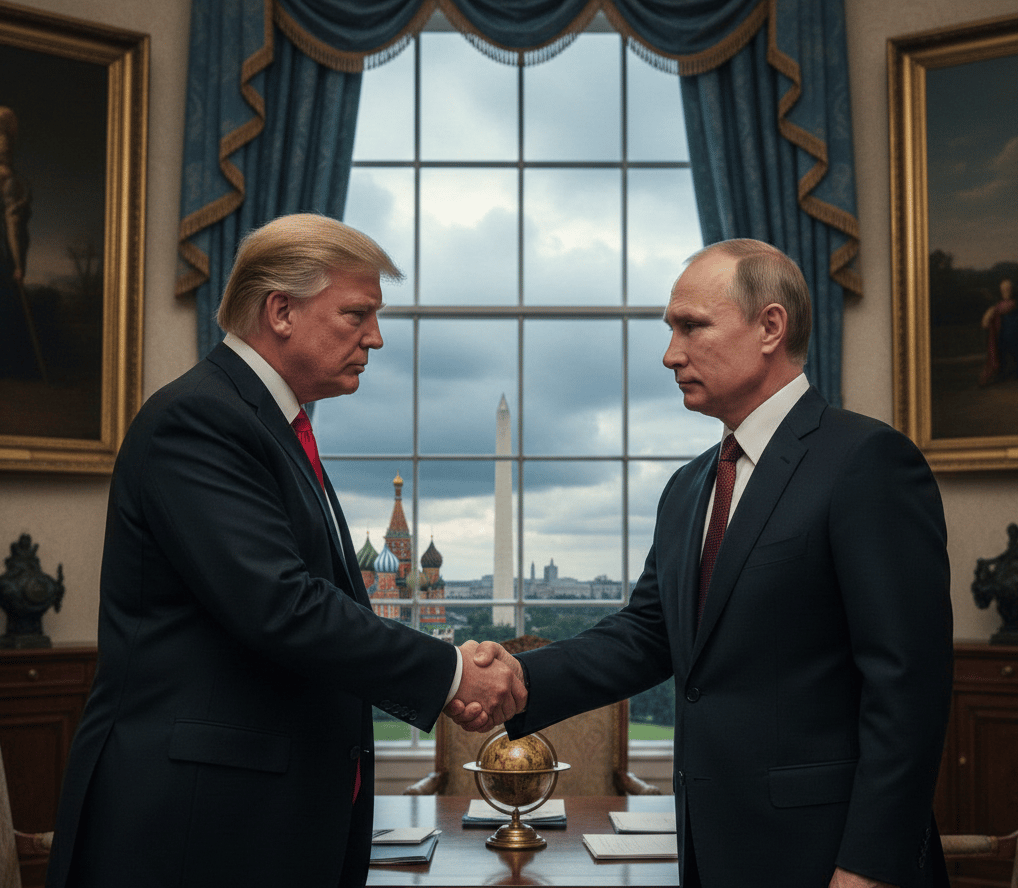
Overview of the US Security Strategy
The United States recently introduced a new security strategy that seeks to address contemporary global security challenges through a revised framework. This comprehensive strategy outlines key components and objectives, emphasizing the need for adaptability in a dynamic geopolitical environment. The primary focus of the strategy is to safeguard national interests while promoting international stability and collaboration.
One of the central aspects of the new security strategy is the recognition of evolving threats, which include traditional state actors as well as non-state entities like terrorist organizations and cybercriminals. By doing so, the United States aims to create a multifaceted approach that not only addresses immediate security needs but also anticipates future risks. This marks a significant departure from previous policies that often prioritized conventional military responses over diplomatic and economic solutions.
Another notable element is the emphasis on strengthening alliances and partnerships. The United States acknowledges that global security cannot be achieved in isolation; hence, building coalitions with other nations is crucial. This alignment with allies is portrayed as a fundamental element that enhances collective security measures against specific threats, thereby reinforcing the idea of shared responsibility in maintaining global order.
The strategy also highlights the importance of integrating technology and innovation in addressing security issues. By harnessing advancements in areas such as artificial intelligence and cyber warfare, the United States seeks to stay ahead of emerging threats while ensuring that its defense capabilities remain robust. Through these advancements, the strategy aims to modernize the U.S. military and ensure it is equipped to respond to contemporary challenges.
Finally, the new security strategy underscores the underlying principles of diplomacy and economic engagement as powerful tools in preventing conflict and fostering peace. This holistic approach is designed to promote a secure and prosperous international environment, reflecting the strategic interests of the United States in a rapidly changing world.
Russia's Perspective on the US Strategy
In recent statements, Russian officials have expressed a keen interest in the newly articulated US security strategy, suggesting that it remarkably aligns with Moscow's own vision for global security. President Vladimir Putin emphasized that the principles outlined in the US strategy reflect a growing recognition of the multipolar nature of international relations. He articulated that this shift could signal a move away from unilateralism towards a more cooperative framework, which has been a long-standing goal for Russia.
Moreover, Foreign Minister Sergey Lavrov highlighted specific areas where the US approach resonates with Russian interests. He pointed out that the emphasis on diplomacy in addressing international conflicts aligns with Russia's advocacy for dialogue over confrontation. Lavrov stated, “We have always maintained that the resolution of disputes can only be achieved through detailed discussions rather than military posturing.” This sentiment underscores Moscow's expectation that the US will prioritize engagement and negotiation in its foreign policy.
Analysts in Russia have also noted the strategic pivot towards addressing contemporary threats such as cyber security, climate change, and terrorism. These are issues that Russia has consistently stressed require a united global response. Dmitry Trenin, a prominent analyst at the Carnegie Moscow Center, commented, “The new US strategy presents an opportunity for tandem actions on vital challenges, which, until now, have been overshadowed by geopolitical tensions.” Such insights reflect a cautious optimism within Russia, suggesting that potential collaboration could enhance global security.
Thus, Moscow perceives the US security strategy as not just a document but a possible pathway towards more harmonious international relations. Russian leaders hope that this alignment of perspectives will lead to a more stable and cooperative security environment, facilitating constructive dialogue among major powers. As developments unfold, the effectiveness of this alignment will significantly influence not only US-Russian relations but also the broader landscape of global security.
Implications for US-Russia Relations
The recent unveiling of the new US security strategy has elicited varied responses from global stakeholders, notably Moscow, which perceives an alignment between its own vision and that of the United States. This alignment raises pertinent questions regarding the future of US-Russia relations. Historically, the relationship between these two nations has been marked by both cooperation and contention, influenced by geopolitical interests and ideological conflicts. The proposed strategy may present opportunities for improved diplomatic ties; however, the complexities of the relationship warrant cautious optimism.
One potential implication of this alignment is the possibility of collaborative efforts on global security issues. Recent developments, such as joint initiatives to combat terrorism and manage nuclear non-proliferation, illustrate that despite their differences, both countries have occasionally found common ground. A shared vision might facilitate dialogue on these critical issues, fostering a more cooperative bilateral relationship as both nations consider the broader implications of their security strategies.
However, concerns remain regarding the potential for increased tensions. Skeptics argue that any perceived alignment may be superficial and that underlying mistrust could complicate future engagements. Historical precedents, such as conflicts in Ukraine and Syria, exemplify the fragile nature of US-Russia relations. Therefore, while a unified approach to security could lead to positive outcomes, it may also heighten the stakes, prompting responses from other states that could exacerbate existing rivalries.
As the geopolitical landscape evolves, the implications of the newly proposed US security strategy on US-Russia relations will continue to unfold. Understanding these dynamics will be crucial for policymakers and analysts alike as they navigate the intricate web of international diplomacy. By considering historical context and recent diplomatic developments, stakeholders can better assess whether this alignment will pave the way for a more collaborative or contested future.
Lessons from Historical Context
The historical relationship between the United States and Russia concerning security strategies provides invaluable insights into the current geopolitical landscape. Over the decades, there have been various instances of cooperation and conflict between these two nations, each of which has shaped contemporary policy frameworks.
Historically, the post-World War II era marked a substantial shift in US-Russian relations, culminating in the Cold War's intense rivalry. During this period, both nations informed their security strategies primarily through a lens of distrust and competition. The Cuban Missile Crisis exemplified the dangers posed by miscommunication and strategic disagreements. This critical event taught both sides the importance of diplomacy and transparent communication in averting conflicts, lessons that remain relevant today.
However, there have also been moments of rapprochement, such as the Strategic Arms Limitation Talks (SALT) and the Intermediate-Range Nuclear Forces Treaty (INF). These agreements illustrate the potential for productive engagement when mutual interests align. The success of these treaties demonstrates that cooperative security strategies can lead to a more stable international environment and can lay groundwork for further collaboration.
In examining these past experiences, it becomes apparent that while the narratives of US and Russian relations have often been characterized by rivalry, there have always been pathways for constructive dialogue. The lessons derived from these historical contexts suggest that, despite prevailing tensions, both nations possess opportunities for aligning security strategies through diplomacy. A nuanced understanding of past successes and failures can assist policymakers in formulating dialogue frameworks that prioritize common interests and foster a more robust security partnership moving into the future.