RAM Price Shock: What You Need to Know
Discover the latest on RAM prices and the recent surge affecting memory costs. Learn how this impacts your next PC build or laptop purchase and find out when prices might stabilize. Don't buy memory until you've read this crucial information! ram price
GAMING NEWSNEWSAI UPDATES
digifusion
12/16/20257 min read

Understanding the Current RAM Price Trends
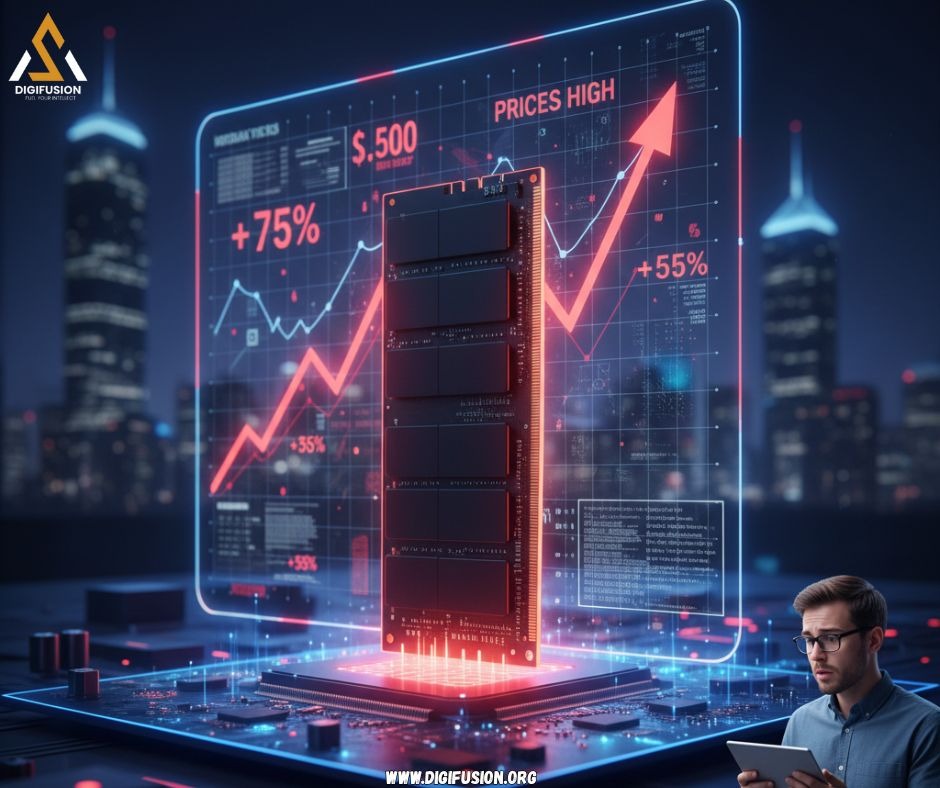
In recent months, the RAM market has witnessed unprecedented price surges that have left consumers and computer enthusiasts bewildered. Since mid-2025, the cost of both DDR4 and DDR5 memory modules has skyrocketed, with increases reaching upwards of 300% in some cases. These dramatic fluctuations in RAM prices can be attributed to various factors impacting the global semiconductor industry.
Historically, the RAM market has experienced cycles of boom and bust. For instance, during the cryptocurrency mining boom in late 2017 and early 2018, demand for RAM surged sharply, causing prices to rise significantly. However, those prices eventually stabilized as supply was restored and demand decreased. In contrast, the current spike appears to be driven by a convergence of factors such as increased demand for high-performance computing, inflationary pressures, and supply chain disruptions exacerbated by geopolitical tensions.
The COVID-19 pandemic significantly altered consumer behavior, leading to a shift toward remote work and online activities, which ultimately increased the demand for personal computing. This trend has persisted, particularly as sectors such as gaming and content creation continue to thrive, amplifying the demand for advanced memory solutions. The introduction of technologies requiring substantial memory bandwidth, like artificial intelligence and 5G applications, further accelerates this demand.
Moreover, the ongoing challenges stemming from chip shortages have constrained the supply side, contributing to inflated RAM prices. Foundries and manufacturers have struggled to keep pace with production, leading to a strain on available inventory. As consumers and businesses seek to upgrade their systems, the combination of heightened demand and limited supply has created an acute imbalance, resulting in soaring prices for RAM.
The Role of AI Companies and Data Centers in Demand
The recent surge in RAM prices can be largely attributed to the mounting demand from artificial intelligence (AI) companies and data centers. As advancements in AI and machine learning technologies continue to evolve, the necessity for high-performance memory has reached unprecedented levels. AI applications require substantial processing capabilities, which translates into a need for robust RAM solutions capable of handling large datasets and executing complex algorithms quickly.
Data centers play a crucial role in this landscape, as they are the backbone of cloud computing and large-scale AI processing. The reliance on vast amounts of data has prompted these facilities to increase their RAM capacities significantly. For instance, training AI models, particularly deep learning networks, demands enormous memory resources, allowing for concurrent processing of vast amounts of data. Industry experts note that this trend is not limited to a few major players; rather, it's a widespread shift across various sectors, including finance, healthcare, and technology, all of which are integrating AI into their operations.
The rapid adoption of AI technologies is not just an isolated phenomenon but part of a broader digital transformation. Businesses across the globe are racing to adopt AI solutions to enhance efficiency, improve customer experiences, and gain a competitive edge. This urgency has led to an ever-increasing demand for high-performance RAM, as companies need to ensure that their systems can support these advanced applications. The result is a significant ripple effect, contributing to escalating RAM prices, driven by both current needs and anticipated future growth in the AI space.
Indeed, as AI becomes increasingly embedded in business operations worldwide, the demand for memory resources is poised to grow even further. Ultimately, the convergence of AI advancements and data center requirements showcases the critical role that memory technology plays in shaping the future of information processing and storage.
Impact on Consumer Memory Chips
The recent surge in RAM prices has significant implications for consumer memory chips, affecting both everyday users and gamers. As the cost of RAM components skyrockets, consumers are feeling the pressure on their wallets, prompting them to reconsider their purchasing strategies. This increase not only impacts the price of new computers and gaming consoles but also creates ripple effects in the wider market for memory hardware. For many consumers, the dream of upgrading to faster or more extensive memory options may face delays or necessitate a reevaluation of priorities.
For gaming enthusiasts who typically seek the latest and most powerful memory modules to enhance performance, the rising costs pose a critical challenge. Gamers often rely on high-capacity RAM to ensure smooth gameplay and enhance multitasking capabilities, essential for running demanding titles. Consequently, many are now weighing their options—some may opt to hold onto their existing setups instead of upgrading, while others might consider alternative solutions, such as reducing the frequency of upgrades or prioritizing more critical enhancements.
Everyday users also find themselves navigating the implications of rising RAM prices. Many consumers have become more budget-conscious, which may involve downsizing their expectations regarding performance outcomes. As new laptops or desktops become increasingly expensive, potential buyers are likely to explore lower-capacity options or refurbished devices that could offer more competitive pricing without the latest memory specifications. Additionally, with the focus on cost-effectiveness, consumers might turn to memory chip brands that provide reliable performance at more accessible price points.
In light of the RAM price crisis, adjustments in purchasing behavior are inevitable. Consumers may need to remain adaptable and consider emerging alternatives, such as technology that optimizes existing RAM configurations. As the market strives to stabilize, it is crucial for consumers to stay informed about the evolving memory chip landscape, ensuring they make choices that best suit their needs and budgets.
Expert Predictions: How Long Will the Crisis Last?
The RAM shortage crisis has significant implications for consumers, but expert opinions vary widely regarding the duration of this ongoing issue. Analysts predict that the current RAM price surge may persist through at least 2026, with some forecasts extending the timeline potentially until 2028. Various factors are at play, influencing these predictions and ultimately affecting consumer access to affordable RAM.
One major influencer of the timeline is production constraints. Memory manufacturers have faced disruptions in their supply chains, exacerbated by global events, such as the pandemic, geopolitical tensions, and natural disasters. These factors have led to difficulties in the manufacturing processes of RAM, which require intricate and precise operations. Until these production challenges are addressed, the RAM price surge is likely to continue.
Furthermore, market recovery is a critical factor to consider. As economies emerge from the effects of the pandemic, the demand for electronic devices, which rely heavily on memory products, is steadily increasing. With trends leaning towards more powerful systems for both personal and professional use, demand may outstrip supply, especially as new technological advancements require higher memory capacities. This potentially creates prolonged pressure on RAM prices.
Additionally, shifts in technology trends, such as the rise of artificial intelligence and machine learning, further complicate the landscape. These technologies often require significant RAM demands, which could exacerbate the shortage. Consequently, analysts suggest that these shifts will create sustained demand that may hinder any significant recovery in RAM supply until at least the latter part of the decade.
As consumers navigate this situation, understanding the expert predictions surrounding the RAM shortage can help them prepare for potential challenges and budget accordingly for future technology purchases.
Strategies for Consumers Facing High Prices
As the demand for RAM has surged, consumers must navigate an increasingly complex market. With prices fluctuating significantly, adopting strategic buying techniques is essential to mitigate the impact of inflated costs. Understanding the typical price range for different types of RAM can empower consumers to make informed decisions about when to buy. For instance, prices often dip during certain seasons or following major technology announcements. Waiting for these optimal moments can lead to substantial savings.
Prioritizing purchases is another crucial strategy. Consumers should assess their system's requirements and determine whether an immediate upgrade is necessary. If a system is still functioning adequately, waiting until prices stabilize may be beneficial. Additionally, evaluating how much RAM is genuinely needed can prevent overspending. Often, users can achieve satisfactory performance increases with moderate upgrades instead of maximum capacities.
Another valuable tactic is to keep an eye out for sales and discounts. Retailers frequently offer promotions, especially during holidays or special events. Signing up for newsletters or following technology forums can provide insights into upcoming sales events, allowing consumers to purchase RAM at lower prices. Moreover, considering refurbished or open-box products can also present cost-effective alternatives. These options are typically less expensive than new units but can offer comparable performance and reliability.
Finally, patience is a virtue in this volatile market. Prices can change frequently, so exercising restraint rather than making impulsive purchases may yield better results. By employing these strategies, consumers can navigate the RAM pricing landscape more effectively, ensuring practical upgrades without unnecessary financial strain.
The Future of RAM Technology and Pricing
The landscape of Random Access Memory (RAM) technology is undergoing significant evolution, driven by advancements in engineering and increasing demands for higher performance in computing devices. The future trajectory of RAM pricing appears to be closely linked to these advancements and market dynamics. One promising development is the emergence of new memory types, such as DDR5 and beyond, which offer improved speed and efficiency. As manufacturers continue to innovate, the push for enhanced data transfer rates and greater energy efficiency is likely to shape the next generation of RAM technology.
From a production standpoint, improved manufacturing processes may yield more efficient and cost-effective RAM production. Techniques such as 3D stacking and advanced packaging are being explored, potentially reducing physical space requirements and allowing for larger capacities at lower costs. The scalability of production can influence RAM pricing, as economies of scale might play a critical role in lowering prices as demand stabilizes. Additionally, companies investing in more sophisticated fabrication technologies could further capitalize on efficiency, thereby providing consumers with better options at competitive prices.
Furthermore, the potential entry of new players into the RAM market stands to disrupt existing pricing structures. As tech giants introduce innovative memory solutions, increased competition could lead to favorable pricing conditions for consumers. This influx of competition would not only drive prices down but also encourage existing manufacturers to enhance their offerings. Overall, the RAM market may witness shifting dynamics, spearheaded by innovative technologies and production practices, which would ultimately have a direct impact on pricing strategies.
By staying abreast of these trends, consumers can better anticipate shifts in RAM prices and technology. Understanding the factors affecting RAM production and pricing will empower users to make informed decisions, maximizing both performance and value.
Conclusion
As the landscape of the RAM market continues to evolve, consumers must navigate the complexities driven by various influential factors. The scarcity of consumer RAM chips has become increasingly pronounced, with supply constraints presenting significant challenges for buyers. This scarcity is not merely a result of typical market fluctuations, but rather a culmination of heightened demand, fueled notably by advancements in artificial intelligence and the increasing needs of data centers. These sectors require more powerful and efficient RAM capabilities, creating a competitive environment that can affect the availability and pricing of RAM for everyday consumers.
In light of these developments, remaining informed about the dynamic RAM market is crucial. Understanding the interplay between RAM supply and demand can empower consumers to make more strategic purchasing decisions. Prospective buyers should be aware of the trends shaping the market, including the latest technological advancements and shifts in production capacity. This knowledge can aid in identifying the best timing to invest in RAM components, potentially enabling consumers to secure their purchases at more favorable prices.
We encourage readers to engage actively with the topic by sharing their experiences and insights regarding the RAM market. Your observations can contribute to an invaluable collective understanding that may assist fellow consumers in making informed choices. In a realm where information and adaptability are essential, collective knowledge can serve as a powerful tool for navigating the complexities of the RAM market landscape. Stay informed, stay strategic, and remember that your voice counts in the conversation about RAM and technology.