
Muhammad Ali Mirza's Release: A Turning Point
Explore the release of controversial scholar Muhammad Ali Mirza and its impact on religious and social debates. Discover how this event is reshaping contemporary Islamic discourse and affecting millions. Read the full analysis.
NEWS
digifusion
12/7/20254 min read
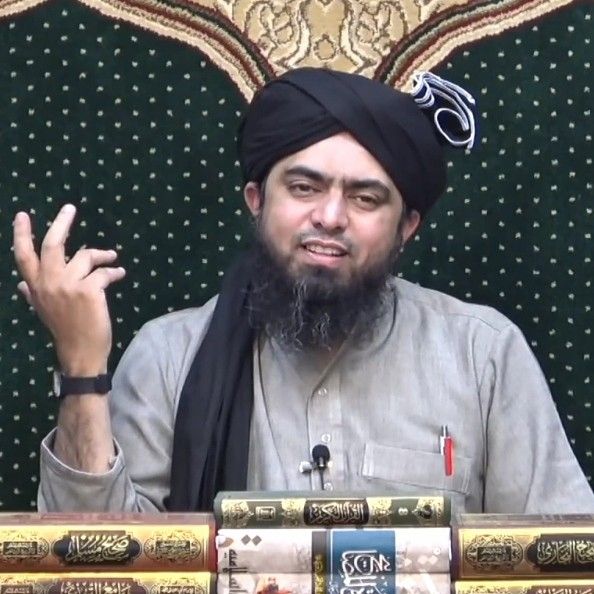
Background on Engineer Muhammad Ali Mirza
Engineer Muhammad Ali Mirza is a prominent figure known for his impactful contributions to contemporary discourse within the Muslim community. Originally hailing from Pakistan, Mirza holds a degree in engineering, which provides him with a distinct analytical perspective on various socio-religious issues. His educational background has equipped him with the tools to approach complex matters from a logical standpoint, facilitating a unique narrative that diverges from traditional religious interpretations.
Over time, Mirza has gained recognition as an influencer who advocates for rational thought and inter-sect harmony. His rise to prominence can be traced to his active engagement on social media platforms, where he addresses pressing religious matters and encourages critical thinking among his audience. By leveraging his engineering background, he asserts the importance of employing logic and reason when discussing and interpreting religious texts and practices. This approach has resonated with many individuals seeking a more modern understanding of their faith.
Mirza's thought-provoking views often challenge established norms and conventions, leading him to garner both fervent supporters and vocal critics. His controversial stance on various religious practices, including aspects of sectarianism, has led to intense scrutiny from traditionalists who often view his perspectives as provocative. Despite the backlash, he remains undeterred, focusing on fostering dialogue aimed at bridging the gaps between different sects within Islam.
Through his endeavors, Engineer Muhammad Ali Mirza has played a significant role in shaping societal discourse, advocating for a more nuanced and harmonious interpretation of religious tenets. His contributions continue to inspire discussions around critical thinking and rational discourse within the Muslim community, marking him as an influential figure in the ongoing quest for unity and understanding. As his journey unfolds, it will be interesting to observe how his ideas evolve and influence future conversations in contemporary society.
Circumstances Leading to His Imprisonment
Engineer Muhammad Ali Mirza, a prominent figure known for his unconventional interpretations of Islamic teachings, found himself embroiled in significant controversy leading to his detention. Several factors contributed to his imprisonment, reflecting the complex interplay between societal beliefs, political pressures, and legal frameworks in Pakistan. Initially, the accusations against Mirza centered on blasphemy and heresy, which are serious charges under Pakistani law. His outspoken views on religious doctrines challenged the prevailing narratives endorsed by mainstream religious leaders, ultimately positioning him as a contentious figure within the socio-religious landscape.
The government's response to Mirza's rising influence was rather swift and indicative of broader political dynamics. Officials deemed his teachings as a threat to societal harmony, prompting law enforcement agencies to act on the complaints lodged by various religious groups. These groups, with significant clout, utilized their influence to petition the government for action against Mirza, thereby highlighting the delicate balance between freedom of expression and religious sensitivities in Pakistan.
The public reaction to Mirza's imprisonment was polarized. Supporters viewed him as a martyr for free speech and an advocate for rational discourse in religious matters, while his critics considered his views as deeply offensive and harmful to the very fabric of society. This division not only amplified existing tensions within the community but also raised questions about the limits of free expression and the state’s role in moderating theological discussions.
The implications of Engineer Muhammad Ali Mirza's arrest, and subsequent release, underscore a critical juncture in Pakistan's approach to freedom of expression. His case serves as a reminder of the ongoing struggle between progressive thoughts and conservative ideologies, with significant ramifications for the future of discourse in the country. His situation reflects the tension between individual beliefs and collective sociopolitical pressures that define the contemporary landscape in Pakistan.
The Reaction to His Release
The release of Engineer Muhammad Ali Mirza has elicited a spectrum of reactions across various segments of Pakistani society, highlighting the complexities of contemporary discourse in the region. Supporters celebrated his return, viewing it as a victory for freedom of expression and a step towards a more open dialogue on contentious religious issues. Many of his followers took to social media platforms, where they shared messages of gratitude and admiration, emphasizing Mirza's role as a voice for rationality and moderation. Hashtags promoting his ideologies trended, showcasing a strong online community eager to promote his narrative.
Conversely, his release was met with skepticism and criticism from several quarters. Detractors expressed concerns regarding his controversial perspectives, fearing that they could undermine traditional beliefs and provoke further sectarian strife within Pakistan. Prominent religious figures and organizations raised alarms about his influence, arguing that his teachings promote a form of Islamic reinterpretation that diverges from conventional understandings. Their responses often found a platform in mainstream news coverage, which provided a balanced account of the differing opinions surrounding his ideas.
Public opinion remains divided, with some viewing Mirza as a proponent of progressive thought, while others label him as a polarizing figure whose presence could destabilize societal norms. Key political figures have also weighed in, with mixed messages reflecting their agendas. In a climate ripe for debates on religious identity and freedom of expression, Engineer Muhammad Ali Mirza's release has ignited discourse that extends beyond his personal circumstances, embodying greater tensions and aspirations present in contemporary Pakistani society.
Implications for Future Discourse and Religious Authority
The recent release of Engineer Muhammad Ali Mirza marks a significant turning point in contemporary discourse on religious authority and freedom of expression within Pakistan. His return is expected to instigate critical conversations surrounding sectarianism, rationalism, and the evolving role of the clergy in society. The implications of this development are multifaceted and may reshape the religious landscape in which narratives are constructed and debated.
Engineer Mirza has been a pivotal figure in promoting inter-sect dialogue and advocating for a rationalist approach to understanding Islamic texts. His stance often challenges traditional interpretations and encourages a more inclusive perspective, fostering unity among different sects. As such, his release may prompt religious authorities and scholars to reconsider their positions and engage in dialogue that questions existing dogmas. The challenge posed by Mirza’s approach could lead to a re-evaluation of sectarian divides and a push towards a more collaborative interpretation of Islamic teachings.
Moreover, the presence of influential figures like Mirza could inspire a new generation of thinkers and scholars within the Muslim community. His advocacy for scientific inquiry and rational discourse may encourage individuals to adopt similar methodologies in their understanding of Islamic principles. This could signal a shift where clergy are not solely viewed as gatekeepers of knowledge, but as facilitators of open discussions, thereby democratizing religious scholarship.
However, this transformation will not be devoid of resistance. The established clerical institutions may perceive the emergence of rationalist and reformist ideas as a threat to their authority. Consequently, debates around freedom of expression and religious authority may intensify, with both proponents and opponents seeking to assert their narratives in public forums. The future discourse in Pakistan thus rests on a delicate balance, where the interplay between rationalism and tradition will shape the evolution of religious thought and practice.