
Streaming Showdown: Netflix vs Warner Bros
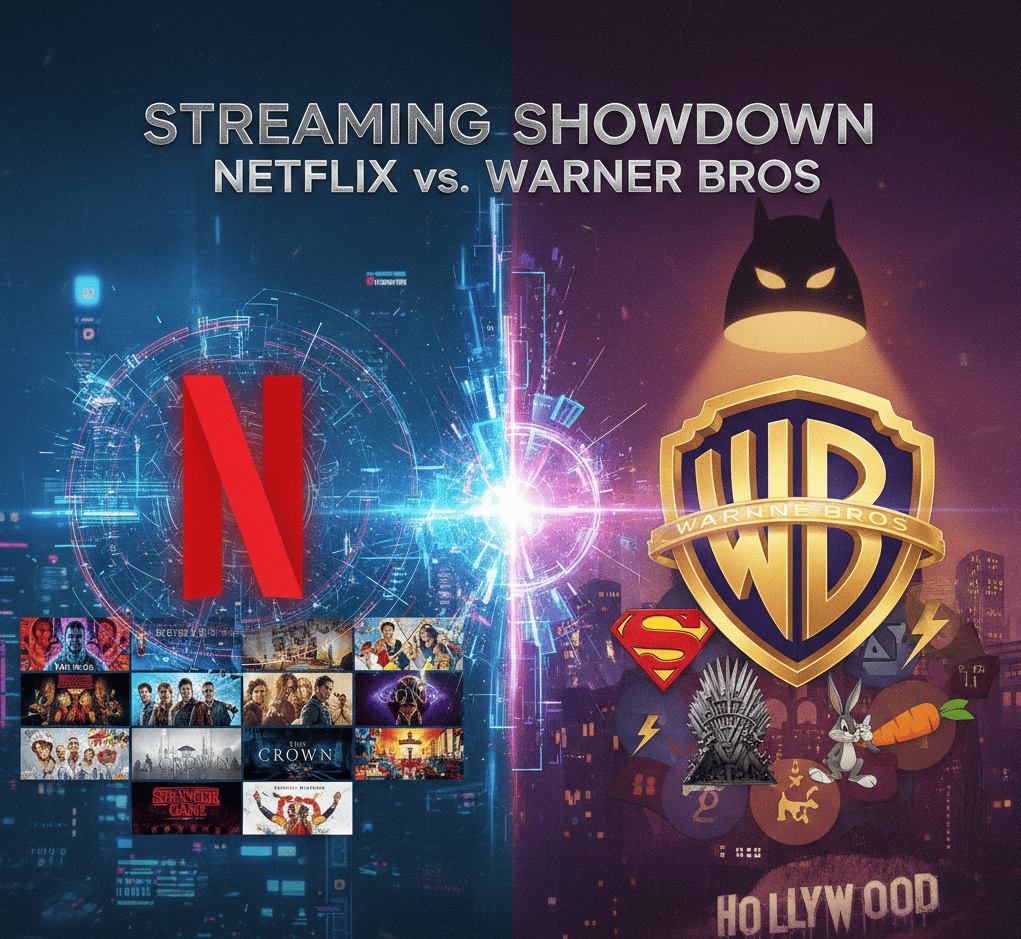
Explore the intense streaming showdown as we compare Netflix's global dominance with Warner Bros' iconic franchises like HBO and DC. Discover our full strategy analysis and future forecasts for the streaming industry.
NEWS
digifusion
12/6/20255 min read
The Rise of Streaming Services
The evolution of streaming services has fundamentally transformed the landscape of media consumption, particularly over the last two decades. Pioneered by platforms such as Netflix, the concept of binge-watching emerged as a significant cultural phenomenon, allowing viewers to consume entire seasons of shows in one sitting. This innovation disrupted the traditional model of weekly episodic releases and established a new norm for audience engagement.
In the early 2000s, cable television dominated the entertainment industry; however, a noticeable shift began as consumers increasingly opted for on-demand viewing. The convenience of accessing content at any time from various devices appealed to a growing demographic seeking flexibility. As this trend gained momentum, Netflix reported a continuous rise in subscriber numbers, reaching over 200 million worldwide by the end of 2020. This surge was reflective of a broader movement away from cable subscriptions, prompting many households to reassess their media consumption habits in favor of more accessible alternatives.
The global COVID-19 pandemic further accelerated the ascent of streaming services. With lockdown regulations in place, individuals turned to digital platforms for entertainment, resulting in unprecedented spikes in viewership. Audiences embraced the allure of streaming as a safe and engaging means of escapism during challenging times. Traditional media was forced to adapt, and studios like Warner Bros. took notice, reevaluating their content strategies to align with this rapidly evolving landscape.
Warner Bros. has responded to the growing popularity of streaming by diversifying its approach. The studio's decision to release films simultaneously in theaters and on its streaming platform illustrates a commitment to adapt to audience preferences. This strategic move not only aims to attract new subscribers but also seeks to retain existing ones in an increasingly competitive environment. Overall, the rise of streaming services has redefined how we consume entertainment, setting the stage for ongoing innovation in the industry.
Content Strategy: Netflix vs. Warner Bros.
In the complex landscape of streaming services, both Netflix and Warner Bros. have developed distinct content strategies to capture and retain audiences. Netflix has effectively established itself as a pioneer in original programming, investing heavily in creating exclusive content that caters to various demographics. This approach has prompted the company to both develop new series and films and acquire existing properties that can resonate with its user base. By focusing on high-quality narratives and engaging storytelling, Netflix has garnered a loyal following and expanded its global reach. This strategy is further enhanced through data analytics, enabling the platform to predict viewer preferences and tailor content accordingly.
On the other hand, Warner Bros. relies on its extensive library of well-known franchises and intellectual properties. Titles such as "Harry Potter," "DC Comics," and "Friends" not only have established fan bases but also provide a strategic advantage in attracting viewers. While Netflix chooses to release content exclusively on its platform, Warner Bros. often adopts a hybrid release model, distributing films and series both theatrically and through streaming services like HBO Max. This dual approach might enhance revenue streams while simultaneously catering to a broader audience base, appealing to both traditional moviegoers and streaming enthusiasts.
Additionally, both companies recognize the importance of international markets. Netflix has been proactive in developing original programming tailored to various regions, producing localized content that reflects cultural stories and themes. Warner Bros. has equally pursued this strategy but often leans on its existing franchises to appeal to international audiences, releasing native adaptations or variations that align with local tastes. By acknowledging the unique preferences of diverse audiences, both companies strive to maintain relevant content strategies that capitalize on the evolving streaming landscape.
Key Partnerships and Collaborations
The streaming industry has been significantly shaped by partnerships and collaborations that both Netflix and Warner Bros. have established over the years. Netflix, as a pioneering streaming service, has formed strategic alliances with high-profile filmmakers and content creators. These collaborations have not only provided Netflix with exclusive content but have also elevated its standing in the entertainment landscape. One notable partnership involves acclaimed directors such as Martin Scorsese and Alfonso Cuarón, whose films have garnered critical acclaim and large viewership numbers on the platform. By aligning with such renowned talent, Netflix has managed to create original programming that distinguishes it from traditional networks, cementing its reputation as a leader in innovative storytelling.
On the other hand, Warner Bros. has navigated its entry into the streaming arena through its affiliations with established broadcasting networks and production companies. The launch of HBO Max exemplifies Warner Bros.' strategy to leverage its existing intellectual properties while creating new content. Collaborations with creators and networks, such as the partnership with DC Comics for superhero content, have not only broadened the appeal of HBO Max but also positioned it competitively against Netflix. These strategic alliances enable Warner Bros. to access a wide array of content that caters to diverse audience interests, thus enhancing viewer engagement and retention.
Both companies understand the importance of these partnerships in shaping their content delivery strategies. By fostering relationships with various creators, production houses, and networks, Netflix and Warner Bros. have cultivated an ecosystem that enriches the streaming experience for viewers. As the industry evolves, the dynamics of these collaborations will likely continue to play a crucial role in how audiences consume content, as well as how platforms compete for viewer attention in an increasingly crowded marketplace.
The Future of Streaming: What Lies Ahead for Netflix and Warner Bros.
The streaming landscape is undergoing a significant transformation, presenting both formidable challenges and promising opportunities for industry giants like Netflix and Warner Bros. As competition intensifies, with newcomers such as Disney+, Apple TV+, and Hulu continuously enhancing their offerings, the traditional giants must adapt to remain at the forefront of the market.
One major challenge these companies face is the shifting preferences of consumers. Modern viewers increasingly seek content that aligns with their values and interests, which necessitates an agile approach to content production and curation. For instance, both Netflix and Warner Bros. may need to prioritize diversity in their storytelling and expand their international content libraries to capture a broader audience. This can involve not just investing in original programming, but also forming strategic partnerships or collaborations with regional creators and production houses.
Technological advancements present another double-edged sword for these platforms. While innovations in streaming technology can enhance user experiences, they also raise the bar for content quality and accessibility. Consequently, both companies will likely focus on improving their streaming technologies, such as offering 4K resolution and incorporating advanced algorithms for personalized content recommendations. Furthermore, they may explore enhancements in augmented reality (AR) and virtual reality (VR) entertainment, thus staying ahead in this dynamic landscape.
Pricing strategies are also a crucial element of future planning. With subscription fatigue becoming a real concern among consumers, Netflix and Warner Bros. might consider flexible pricing models, including bundled offerings and ad-supported tiers. Such approaches can not only attract cost-conscious viewers but also expand their subscriber base across different demographic groups.
Ultimately, the long-term effects of the streaming wars will be profound, influencing consumer habits, shaping content distribution models, and altering the dynamics of the entertainment industry. Companies like Netflix and Warner Bros. will need to navigate this evolving terrain carefully, ensuring they remain not just relevant but also leaders in a competitive digital age.