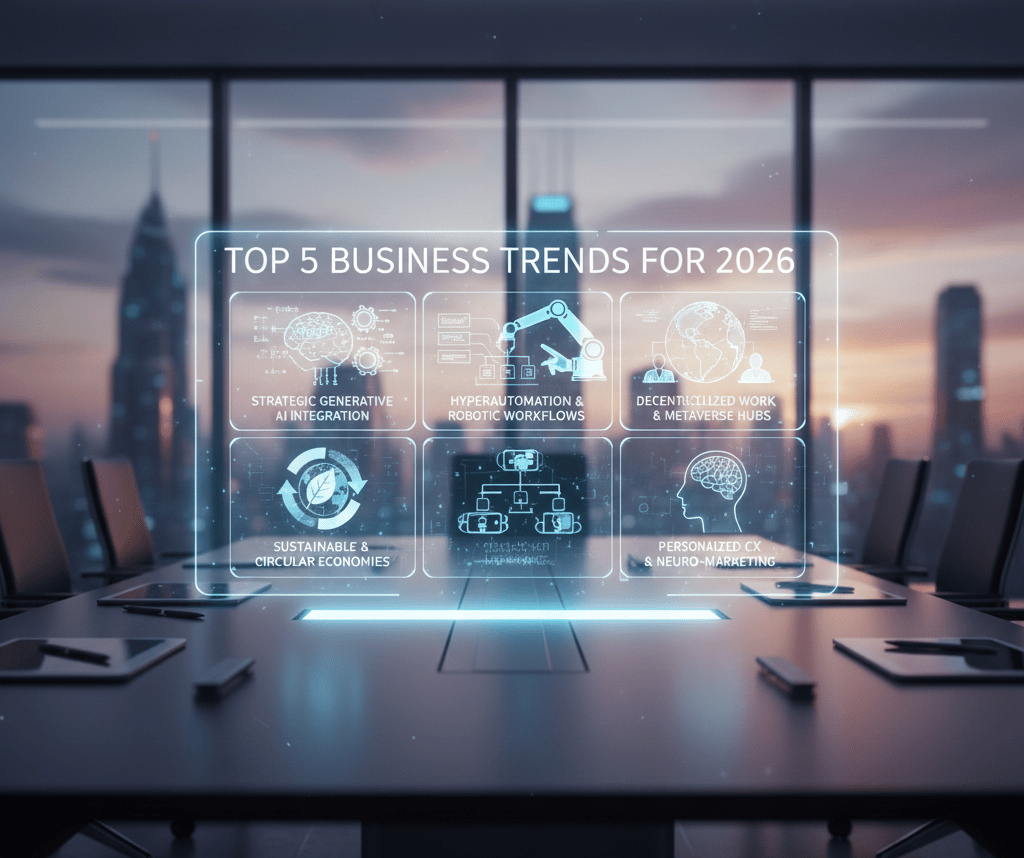
Top 5 Business Trends for 2026 Future Trends
Discover the 5 essential shifts executives must embrace for sustained growth in 2026. Explore the definitive list of future trends that will shape your business strategy.
NEWSAI UPDATES
digifusion
12/8/20257 min read
Introduction to Emerging Business Trends
In the dynamic landscape of the business world, staying attuned to emerging trends is crucial for organizations aiming to maintain competitive advantage. As the marketplace evolves, it becomes increasingly essential for businesses to adapt their strategies in response to shifting dynamics influenced by advancements in technology, changing consumer behavior, and emerging market conditions. The ability to anticipate these trends not only enhances operational efficiency but also fosters innovation, enabling companies to meet the demands of their consumers while achieving their long-term objectives.
The rapid pace of change in technology has profoundly impacted various sectors, leading organizations to re-evaluate their business models. Innovations such as artificial intelligence, machine learning, and blockchain technology have reshaped how companies operate, making it imperative to embrace these developments. Additionally, consumer preferences are changing at an unprecedented rate. With the rise of digital platforms and increased access to information, consumers are becoming more informed and discerning, compelling businesses to adopt more innovative and customer-centric approaches.
Moreover, fluctuations in market dynamics—driven by global economic factors, regulatory changes, and environmental concerns—underscore the need for organizations to assess their strategic frameworks continually. Businesses that can identify and respond proactively to these movements not only enhance their resilience but also position themselves for future growth opportunities.
This blog post will explore the top five trends projected to shape the business landscape in 2026, examining how these developments will influence organizational strategies. By understanding these emerging business trends, leaders can better navigate the complexities of the modern marketplace, ensuring their organizations remain agile and prepared for the challenges ahead.
The Rise of Artificial Intelligence and Automation
The rapid advancement of artificial intelligence (AI) and automation technologies is profoundly transforming the landscape of business operations. In 2026, organizations across various industries are expected to embrace these innovative tools to enhance efficiency and reduce operational costs significantly. AI algorithms can analyze vast amounts of data to reveal insights into consumer behavior, offering businesses a competitive edge in market positioning and product development.
By integrating AI-powered chatbots and virtual assistants, businesses can provide 24/7 support to their customers, addressing inquiries and concerns in real time. This application not only improves customer satisfaction but also allows human agents to focus on complex tasks that require emotional intelligence and critical thinking. As a result, companies can streamline their operations while maintaining high service levels.
Furthermore, automation is revolutionizing the manufacturing sector, leading to increased productivity and reduced human error. Robotic process automation (RPA) enables businesses to automate repetitive tasks, thereby freeing up valuable human resources for more strategic roles. This shift not only optimizes workflow efficiency but also enhances the overall quality of products and services.
As organizations implement AI and automation, they must also consider the implications for their workforce. While these technologies create opportunities for upskilling and re-skilling employees, there is a growing concern about job displacement. To navigate this transition, businesses need to engage in proactive workforce planning, offering training programs that equip employees with the necessary skills to thrive in an increasingly automated environment.
In summary, the rise of artificial intelligence and automation is set to reshape business operations in 2026, improving efficiency, reducing costs, and providing valuable insights into consumer behavior. Companies that adapt to these changes will unlock new growth opportunities while addressing the challenges posed by workforce dynamics.
Sustainability and Eco-Friendly Practices
As we move towards 2026, sustainability is becoming increasingly essential in the landscape of business operations and consumer preferences. The demand for eco-friendly practices has been intensifying, compelling companies across various sectors to adopt strategies aimed at reducing their ecological footprint. This shift is not just a passing trend; it reflects a deep-rooted change in consumer expectations and corporate responsibility.
Many businesses are now integrating sustainability into their core operations. This includes adopting renewable energy sources, minimizing waste, and utilizing sustainable materials in product development. For instance, several large corporations have made significant investments in green technologies, setting ambitious targets for carbon neutrality by 2030 or earlier. By doing so, these organizations not only reduce their environmental impact but also attract a growing base of environmentally conscious consumers.
Moreover, successful case studies exemplify how eco-friendly practices can effectively enhance brand loyalty. Companies like Patagonia and Unilever have distinguished themselves by prioritizing sustainable sourcing and transparent supply chains. Their commitment to environmental principles resonates with consumers, showcasing the potential for sustainability to drive business growth and innovation. This approach has proven advantageous, as consumers increasingly prefer brands that align with their values, particularly in terms of environmental stewardship.
Integrating sustainability into business models involves leveraging resources efficiently and fostering partnerships that promote eco-friendly initiatives. Employing strategies like circular economy principles and waste reduction programs can yield substantial long-term benefits. Businesses that proactively address sustainability concerns are likely to realize improved operational efficiencies, reduced costs, and enhanced reputations. As the movement towards a greener economy takes center stage, organizations that embrace these practices will position themselves favorably within an evolving marketplace.
3. Remote Work and the Digital Workspace
The COVID-19 pandemic has catalyzed a significant transformation in the way businesses operate, leading to a profound shift towards remote work and the emergence of the digital workspace. This change has not only altered traditional business models but has also reshaped employee expectations regarding work-life balance, flexibility, and overall job satisfaction. As companies adapt to this new environment, understanding the multifaceted benefits and challenges of remote work is essential.
One prominent benefit of remote work is the increased flexibility it offers. Employees can customize their work hours to better align with personal commitments, resulting in improved job satisfaction and productivity. Moreover, businesses can tap into a wider talent pool, unhindered by geographical limitations. This shift towards a digital workspace fosters a more diverse workforce, which can enhance creativity and innovation within teams.
However, the transition to remote work does come with challenges. Effective communication can be hindered without face-to-face interaction, potentially leading to misunderstandings and feelings of isolation among employees. Additionally, businesses must navigate issues surrounding data security and privacy in a decentralized work environment, necessitating investments in robust cybersecurity measures.
To support a thriving remote work culture, companies should leverage technology to create effective collaboration tools that ensure seamless communication among team members. Platforms such as video conferencing software and project management tools can bridge the gap created by physical distance. Furthermore, fostering an inclusive organizational culture that prioritizes employee engagement and well-being is paramount. Regular check-ins, virtual team-building activities, and mental health resources can play a crucial role in mitigating the challenges associated with remote work.
As we look towards the future of the workplace, it is clear that the lessons learned from this rapid adaptation will shape the landscape of work long after the pandemic subsides. Businesses that embrace this shift and invest in their remote work strategies will be better positioned to thrive in an increasingly digital world.
Personalization and Customer-Centric Marketing
As we progress into 2026, the landscape of marketing is evolving, with a notable shift towards hyper-personalization and customer-centric strategies. Businesses today are increasingly leveraging advanced data analytics and consumer insights to craft tailored experiences that captivate their audiences. The use of personalized marketing goes beyond merely addressing customers by their names; it delves into understanding their preferences, behaviors, and purchasing journeys. By analyzing vast amounts of customer data, businesses can create recommendations and promotions that resonate deeply with individual consumers, thereby fostering stronger engagement and loyalty.
A prime example of successful personalized marketing is seen in companies such as Amazon. The online retail giant utilizes sophisticated algorithms to analyze user behavior and recommend products based on previous purchases and browsing history. This kind of tailored approach not only enhances the shopping experience but also increases conversion rates, illustrating how effectively implemented personalization can lead to substantial business growth. Similarly, platforms like Netflix prominently display customized content suggestions based on viewing habits, further underscoring the value of personalized offerings in today’s market.
However, the move towards personalization is not without its challenges and ethical considerations. The collection and usage of consumer data necessitate transparency and respect for privacy. Businesses must navigate regulatory frameworks and adhere to ethical guidelines to ensure data is used responsibly. Addressing customer concerns regarding data security is paramount, as any misstep can result in a loss of trust and, consequently, customer loyalty.
In conclusion, embracing personalization in marketing strategies is vital for businesses looking to thrive in 2026. By harnessing data analytics to create customer-centric experiences, companies can improve engagement and drive success while remaining cognizant of the ethical responsibilities that accompany such practices.
The Impact of Blockchain Technology
The adoption of blockchain technology is increasingly shaping the landscape of various industries, prompting a transformative shift in how businesses operate. Known for its decentralized nature, blockchain enhances transparency, security, and efficiency in transactions. This technology allows for tamper-proof records of transactions, significantly reducing the potential for fraud and unauthorized alterations, thereby establishing a higher level of trust among parties involved.
In the realm of supply chain management, blockchain enables improved traceability and accountability. For instance, companies can track the journey of a product from manufacturer to end-user, ensuring that all intermediaries adhere to compliance standards. This is particularly beneficial in sectors like food safety and pharmaceuticals, where understanding the provenance of goods is crucial. Moreover, smart contracts—a feature of blockchain—automate and enforce agreements, streamlining processes and minimizing delays caused by manual interventions.
In finance, blockchain technology is revolutionizing payment systems and settlement processes. Through the use of cryptocurrencies and decentralized finance (DeFi), businesses can execute quicker and more cost-effective transactions without the need for traditional banking intermediaries. This shift not only improves operational efficiency but also democratizes access to financial services, particularly in underbanked regions of the world.
Despite the promising advantages, businesses face several challenges in implementing blockchain solutions. These hurdles include high initial investment costs, the need for skilled personnel, and regulatory uncertainties. Additionally, the integration of blockchain with existing infrastructure might necessitate significant changes in organizational processes. As industries continue to explore the potential of blockchain, staying informed about its evolving landscape is crucial for navigating its implementation and maximizing its benefits. The future outlook for blockchain technology suggests that it will play a pivotal role in redefining business practices, making it imperative for organizations to adapt and innovate accordingly.
Conclusion and Future Outlook
As we look ahead to 2026 and beyond, it is imperative to acknowledge the transformative trends shaping the business landscape. The five key trends discussed—technological advancement, sustainability, remote work dynamics, customer-centric strategies, and the rise of artificial intelligence—underscore the complexity and interconnectedness of modern business operations. Each of these trends presents both challenges and opportunities, compelling organizations to reassess their strategic approaches and operational frameworks.
Technological advancement is no longer a mere option for businesses but has become a fundamental necessity. Adopting cutting-edge technologies such as AI and machine learning can optimize processes and enhance customer engagement, enabling companies to remain competitive. Similarly, sustainability is increasingly becoming a pivotal factor in consumer decision-making. Businesses must prioritize sustainable practices not only to comply with regulatory standards but also to build brand loyalty among environmentally conscious consumers.
Moreover, the shift towards flexible work arrangements has necessitated the reevaluation of workplace policies. Companies should enhance their remote work strategies to foster a culture of collaboration and innovation, ensuring employee well-being and productivity. Customer-centric strategies, rooted in data-driven insights, will allow businesses to tailor their offerings effectively, catering to evolving consumer preferences.
Looking to the future, it is essential for businesses to embrace continuous learning and foster a culture of innovation. The rapid pace of change in the business environment demands agility and responsiveness. Organizations that actively adapt to emerging trends and invest in employee development will be better positioned to navigate uncertainties and capitalize on growth opportunities. By staying informed and proactive, businesses can secure their place in an ever-evolving market landscape that prizes adaptability and foresight.