
UN Alarms Over Imran Khan Jail Conditions
Following a UN expert's report, the PTI demands immediate medical access for Imran Khan and an end to his alleged psychological torture. Explore the ongoing legal battle surrounding his fundamental rights and the implications for his health and well-being.
NEWSPOLITICS
digifusion
12/16/20254 min read
Introduction to the Situation
The political landscape in Pakistan has been significantly affected by the recent events surrounding former Prime Minister Imran Khan. Since his ousting from power in April 2022, Khan has faced a series of legal challenges that culminated in his imprisonment on charges of corruption. The allegations, which include the misuse of public funds and failure to disclose assets, have sparked widespread debate within the country. Supporters argue that these developments are politically motivated, intended to undermine a prominent leader who continues to resonate with a significant portion of the Pakistani populace.
Imran Khan's time in office was characterized by various reforms and initiatives aimed at addressing the country’s socio-economic challenges. However, his controversial removal was a pivotal moment, leading to a divided political climate. As various parties vie for power, many view Khan as a symbol of popular resistance against the traditional political elite. His imprisonment has intensified these sentiments, prompting demonstrations and calls for his release from his supporters, who assert that the charges against him are unfounded.
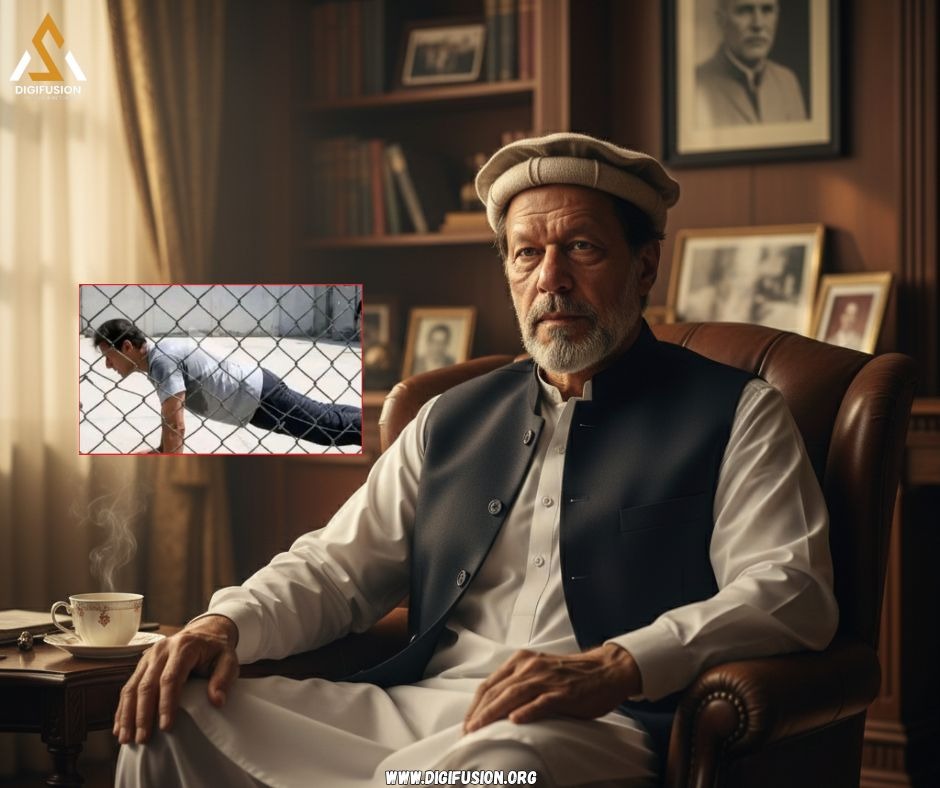
Additionally, Khan's placement in custody has raised alarm regarding his health and well-being. His party, Pakistan Tehreek-e-Insaf (PTI), has expressed concerns about his physical and mental health, claiming that the conditions of his detention are detrimental. Calls for prison visits to assess and address his health concerns have garnered attention from both the public and media outlets. This dilemma encapsulates not only the personal ramifications for Khan but also the broader implications for the political fabric of Pakistan as his followers rally in his support. As the situation evolves, the public’s perception of justice, corruption, and leadership is further complicated, making it an essential topic of conversation in contemporary Pakistan.
Health Concerns Raised by PTI
The Pakistan Tehreek-e-Insaf (PTI) party has voiced significant concerns regarding the health conditions of its leader, Imran Khan, following his recent imprisonment. Party officials have articulated fears that the current prison environment may jeopardize Khan's well-being, given his medical history and the reported inadequacies of healthcare services within the penal system. Concerns have been particularly raised regarding his dietary needs, regular medical check-ups, and the overall stress associated with incarceration, which could exacerbate any pre-existing health issues.
Medical professionals have suggested that incarceration can lead to a decline in physical and mental health among inmates, particularly for individuals with prior health complications. Khan has been described as suffering from a range of ailments, including essential hypertension and potential cardiovascular issues, which demand consistent monitoring and treatment. The PTI has highlighted that the lack of sufficient medical facilities and attention in prison could lead to serious ramifications for his health. Such conditions raise pressing questions about the treatment and healthcare access provided to political prisoners in Pakistan.
This situation is not without precedent, as historical data indicates several political detainees have faced health crises while in custody, often resulting in legal actions and public outcry. The PTI’s calls for a prison visit reflect an urgent need to assess the health situation of Imran Khan personally, and they underline broader concerns regarding the treatment of prisoners in the country. The implications of these health issues extend beyond Khan himself, highlighting systemic flaws in the judicial and correctional systems in Pakistan. The discourse surrounding his health and care in prison may compel a reevaluation of policies related to prisoner treatment and medical care throughout the nation.
Legal Ramifications and Political Implications
The recent demand for a prison visit concerning Imran Khan’s health concerns raises significant legal ramifications within the Pakistani judicial framework. Typically, requests for prison visits, especially for high-profile individuals, are handled with a blend of legal scrutiny and institutional protocol. The legal system must determine the validity of such requests, weighing them against established policies regarding inmate welfare and security concerns. Moreover, procedural considerations dictate that health assessments in prisons must align with medical ethics while ensuring the integrity of ongoing judicial proceedings.
From a legal perspective, the possible implications of this request could lead to a reevaluation of how health issues are addressed in the penal system. If the request is granted, it may set a precedent for future cases involving similar health-related concerns, thus prompting changes in institutional policies regarding prisoner welfare. Conversely, if denied, it might trigger legal challenges from Khan's party, the Pakistan Tehreek-e-Insaf (PTI), thereby intensifying the political and legal debates surrounding the treatment of political prisoners in Pakistan.
On the political front, the PTI’s approach to Khan’s health situation could significantly influence its strategy leading up to upcoming elections. The party’s management of this issue can affect public perception and voter sentiment, especially in light of the heightened political tensions in the country. Should apprehensions about Khan’s health continue to rise, the PTI might utilize this narrative to galvanize support around claims of political persecution. Therefore, the legal decisions regarding Khan's prison visit not only impact the immediate circumstances of this case but also have broader ramifications for the party's future electoral endeavors and its standing within the public arena.
Public and Media Reaction
The request by Imran Khan's party, the Pakistan Tehreek-e-Insaf (PTI), for a prison visit due to health concerns has elicited a mixed response from the public and media outlets. Various segments of society are reacting differently, highlighting the polarized nature of contemporary political discourse in Pakistan. A survey conducted by a prominent research organization suggests that while a significant portion of the population expresses concern for Khan's welfare, a notable segment views the request as a political maneuver rather than a genuine plea. Such divergences in public opinion reflect the country's divided sentiments surrounding Khan’s leadership and his ongoing incarceration.
Hashtags related to Imran Khan and the PTI’s request have garnered significant traction, with thousands of citizens voicing their opinions. Pro-PTI users emphasize the necessity of prioritizing health over political differences, arguing that regardless of political affiliations, every citizen deserves proper medical care. Conversely, detractors question the sincerity of the request, suggesting that it is an attempt to garner sympathy and distract from the legal issues that led to his imprisonment in the first place. This digital discourse illustrates the depth of engagement among citizens while simultaneously underscoring the broader political tensions in the nation.
Moreover, political analysts have weighed in on the matter, speculating on potential implications for both the PTI and the larger political landscape. Some suggest that the situation presents an opportunity for the party to reinforce its narrative of victimization, potentially galvanizing support from disenchanted voters. As the narrative unfolds, it becomes increasingly clear that public and media responses play a crucial role in shaping the discourse surrounding Imran Khan’s health and imprisonment.